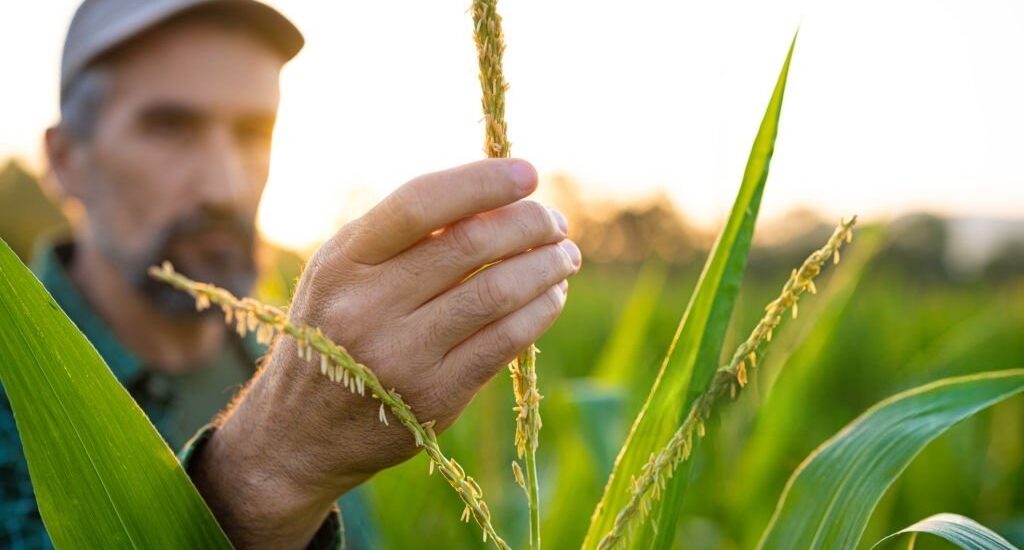
By Amb. Canon Otto – Convener, Global Sustainability Summit & Founder, Cleancyclers
The year 2050 is often spoken of as a distant milestone, yet every decision we make today shapes the plate of the future. As global populations rise, climates shift, and ecosystems strain under human pressure, the question is no longer whether the world must change how it feeds itself—but how quickly and how intelligently we can transform the system.
At sustainabilityUnscripted, we take pride in exploring these future-facing questions with honesty and clarity. And at cleancyclers, where we push for circular solutions and waste-smart communities, the conversation about sustainable food systems is not theoretical—it is urgent.
As I, Canon Otto (Canonotto), have emphasized repeatedly at the Global Sustainability Summit, the food systems of 2050 must be resilient, regenerative, and rooted in equity. Anything less will fail humanity.
1. The Shift Toward Regenerative Agriculture
By 2050, the world will witness a dramatic transition from extractive farming to regenerative agriculture.
This means:
- rebuilding soil health
- restoring biodiversity
- capturing carbon through nature-positive methods
- reducing input-heavy farming practices
Africa, in particular, stands at a unique advantage. Our smallholder farmers are already close to the soil, culturally aligned with low-input farming practices, and positioned to become global leaders if empowered with knowledge, innovation, and investment.
At cleancyclers, we see how regenerative mindsets—even in waste—create long-term benefits. The same philosophy must guide agriculture.
2. Protein Will Evolve—But Culture Will Shape Adoption
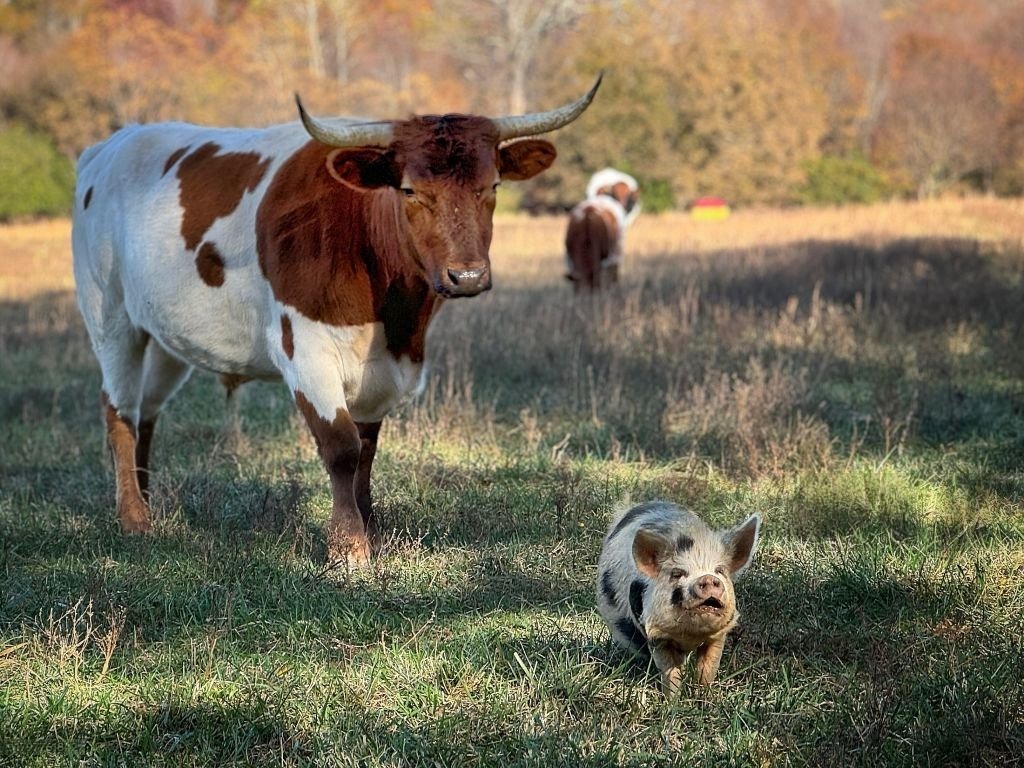
By 2050, the world’s protein sources will diversify dramatically:
- Plant-based meats
- Insect protein
- Lab-grown meats (cultivated proteins)
- Hybrid proteins combining plants, fungi, and algae
Yet, as I often say in SustainabilityUnscripted conversations, technology alone will not change diets—culture will.
Communities adopt foods that align with their identity, values, and affordability. Any sustainable protein strategy must respect local traditions while introducing cleaner, climate-friendly alternatives.
Africa need not copy Western dietary shifts; instead, we can modernize our own indigenous superfoods—beans, millet, fonio, moringa, sorghum—foods that sustained empires long before industrial agriculture existed.
3. Circular Food Systems Will Replace Linear Ones
The global food system wastes one-third of everything it produces.
This is more than a statistic—it is a moral failure.
The future demands a circular food economy, where:
- food loss is minimized across the supply chain
- organic waste becomes compost or biogas
- communities embrace reuse and resource efficiency
- packaging becomes fully recyclable or biodegradable
This is where cleancyclers leads by example.
Our work in circularity demonstrates that waste is not a burden; it is a resource.
If every city builds circular food systems by 2050, hunger, pollution, and greenhouse emissions will decline simultaneously.
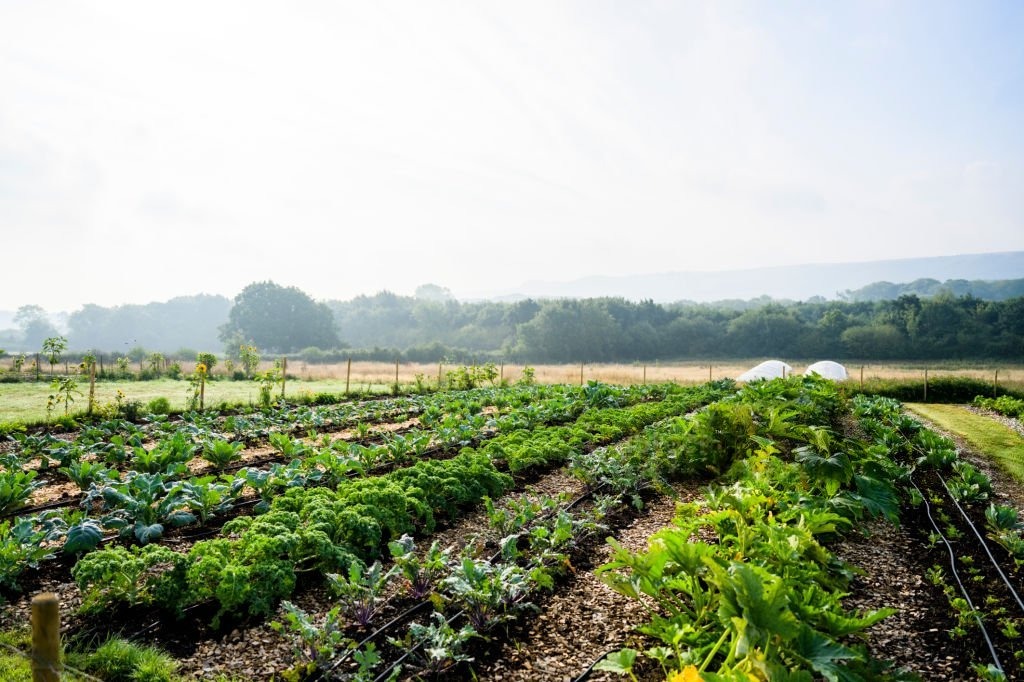
4. Smart Technology Will Drive Transparency
By 2050, food systems will be digitally connected end-to-end:
- AI-enabled crop prediction
- satellite-based climate-smart monitoring
- blockchain for food traceability
- precision irrigation
- digitally driven cooperatives for smallholder farmers
But technology must be inclusive, not elitist.
At the global sustainability summit, I consistently advocate for solutions that uplift rural communities—not replace them.
Digital transformation must democratize access, empower farmers, and reduce inequality.
5. Climate Resilience Will Define Food Security
Every nation must confront one truth:
Food security is climate security.
Extreme heat, droughts, floods, and shifting seasons will reshape what can be grown, where, and at what cost.
By 2050, climate-resilient crops—millet, cassava, sweet potato, pigeon pea—will become central to national food strategies.
This is why sustainabilityUnscripted continues to champion climate education and policy innovation.
Without climate literacy, no nation can secure its food future.
6. Urban Farming Will Go Mainstream
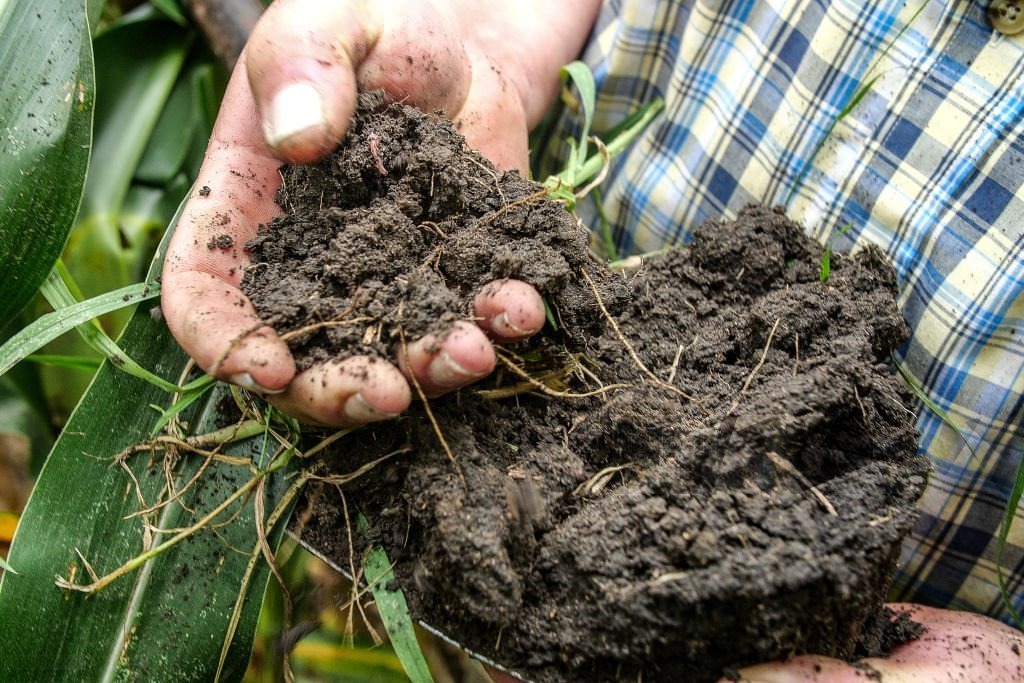
Cities will no longer just consume food—they will produce it.
Expect by 2050:
- vertical farms in high-rise buildings
- rooftop hydroponics
- community gardens
- aquaponics systems integrated into urban planning
Urban agriculture will reduce transport emissions and empower communities to grow healthy, accessible foods.
7. Food Will Become a Mirror of Our Values
More than anything, the food of 2050 will reflect our priorities as a global family.
Will we value sustainability?
Will we prioritize equity?
Will we preserve cultural heritage while embracing innovation?
As Canonotto, my message is simple:
The plate of 2050 must be sustainable, circular, inclusive, and proudly rooted in culture.
And through platforms like cleancyclers and sustainabilityUnscripted, we are shaping that future one conversation, one community, and one policy at a time.
Conclusion: The Future Is Not Predicted—It Is Created
The world of 2050 will not emerge by accident.
It will be the outcome of leadership, collaboration, and courage.
At the global sustainability summit, we continue to unite governments, innovators, communities, and youth voices to build a food system worthy of the next generation.
The question “What will the world eat in 2050?” is ultimately a question of who we choose to become.
Let us choose wisely.
Let us choose sustainably.
Let us choose a future that nourishes all.