By Amb. Canon Otto, Convener — Global Sustainability Summit & Founder, Cleancyclers
In today’s world, sustainability is often framed as a grand, distant ambition — something that belongs in corporate boardrooms, global negotiations, or glossy environmental reports. But after years of hosting the Global Sustainability Summit and leading community initiatives through Cleancyclers, I have come to a simple truth:
Sustainability begins in the home — with the small habits that quietly reshape our world.
At SustainabilityUnscripted, we believe that the most powerful environmental transformation is not always driven by massive policy shifts or billion-dollar innovations. Sometimes, the change starts with a single household choosing to live differently. The truth is: every home is a climate action hub, whether people recognise it or not.
The Power of Small Habits
When we talk about crises like climate change, waste pollution, or energy insecurity, many people feel overwhelmed. They ask:
“What can one person really do?”
My answer has remained consistent over the years — from community dialogues in Lagos to keynote sessions at the Global Sustainability Summit:
One person can shift the culture of their home.
One home can influence a street.
A street can transform a community.
And communities are the heartbeat of global change.
This is where sustainability truly becomes unscripted — lived out in simple, everyday actions that build momentum over time.
1. Mindful Energy Use: Your Home, Your First Clean Energy Transition
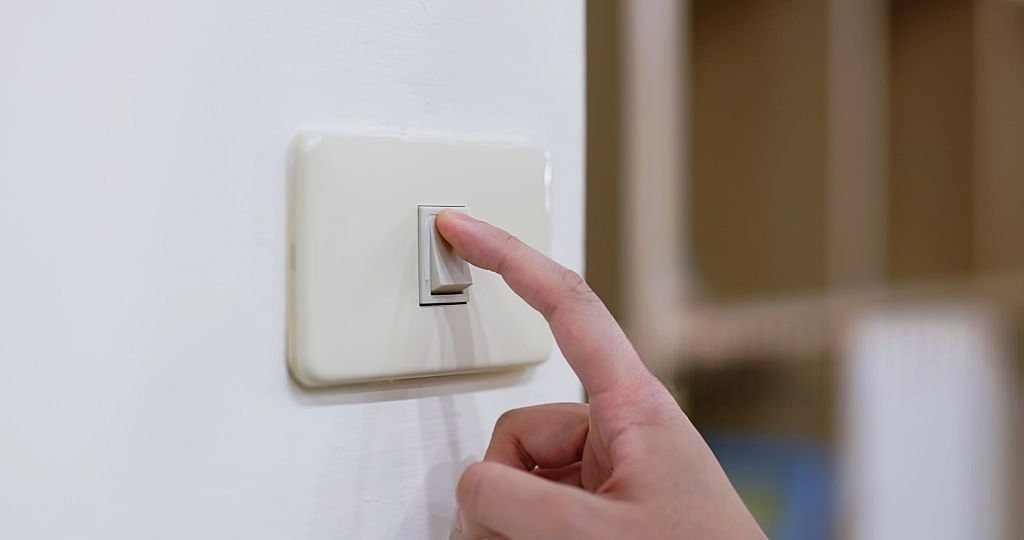
You don’t need a solar farm to practice clean energy habits.
Switching off appliances, using natural light during the day, unplugging chargers, and embracing energy-efficient bulbs may not look revolutionary. But multiplied across millions of households, these choices cut emissions, lower bills, and reduce pressure on our national grids.
As someone who works closely with renewable initiatives through Cleancyclers, I can confirm that Nigeria — and Africa at large — will only accelerate its green transition when households begin adopting conscious energy habits.
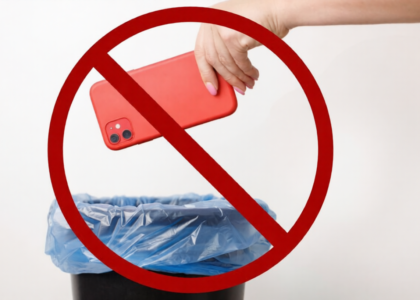
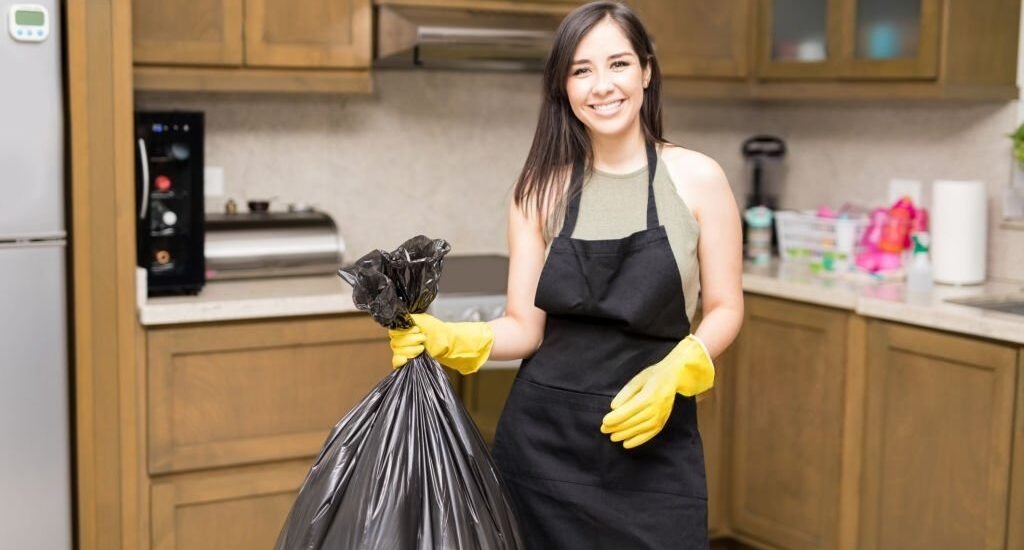
2. Waste Sorting & Recycling: The Cleancyclers Mindset
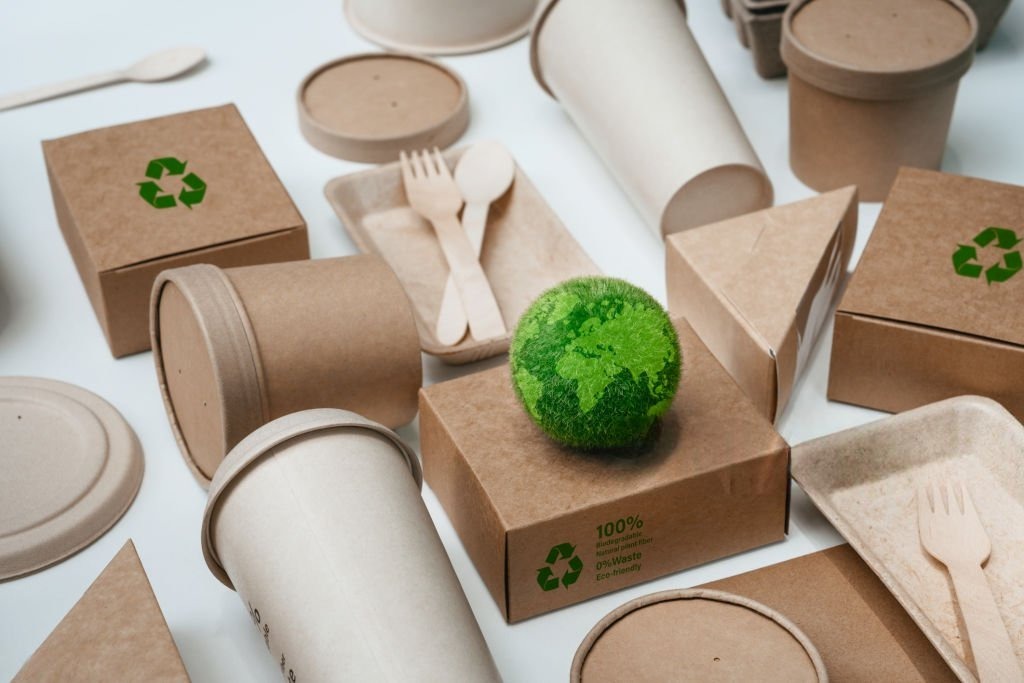
Waste is not just a problem — it is a resource waiting for direction.
Every plastic bottle sorted, every reusable bag carried, every compost bin opened is a victory.
At Cleancyclers, we train communities to understand that waste separation at home is the foundation of a functioning circular economy. Before recycling plants can scale, households must become mini sorting hubs that reduce contamination and increase recovery.
When your home becomes intentional about waste, you become part of a global movement — not a spectator.
3. Water Stewardship: Protecting Tomorrow’s Scarcity
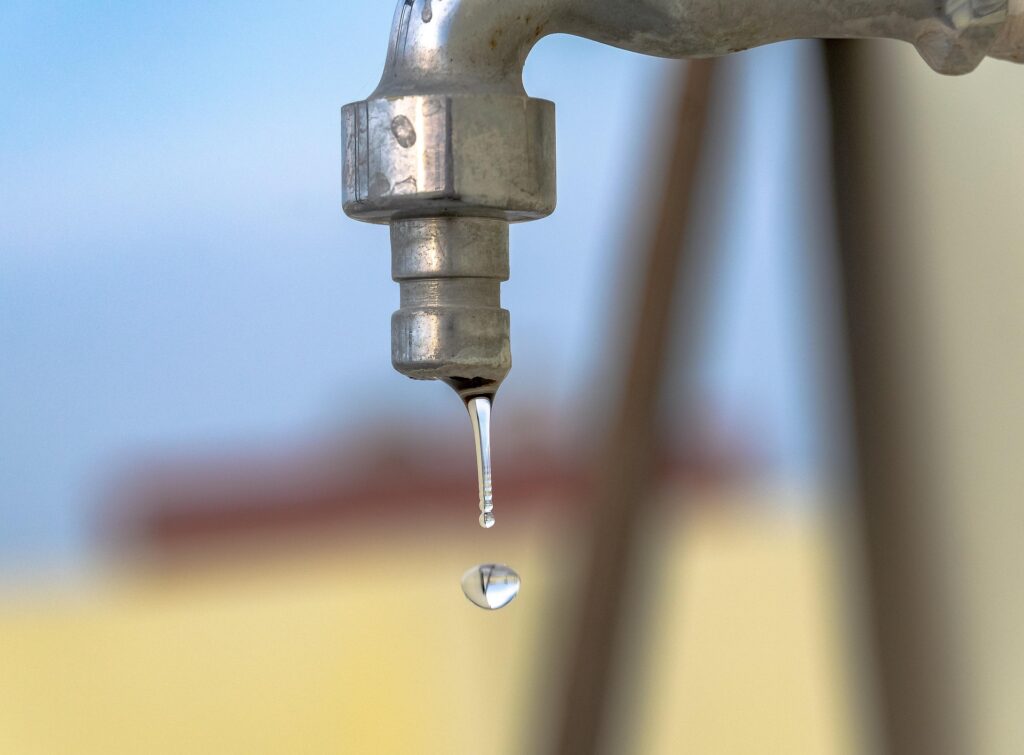
We cannot continue to behave as though water is infinite.
Simple actions such as repairing leaks, limiting shower times, harvesting rainwater, and reusing greywater are not just environmentally wise — they are acts of responsibility. At SustainabilityUnscripted, we emphasise that water conservation will be one of the defining sustainability challenges of our generation, especially across Africa’s rapidly expanding cities.
Small water habits are life-preserving habits.
4. Conscious Consumption: Buying Less, Using Smarter
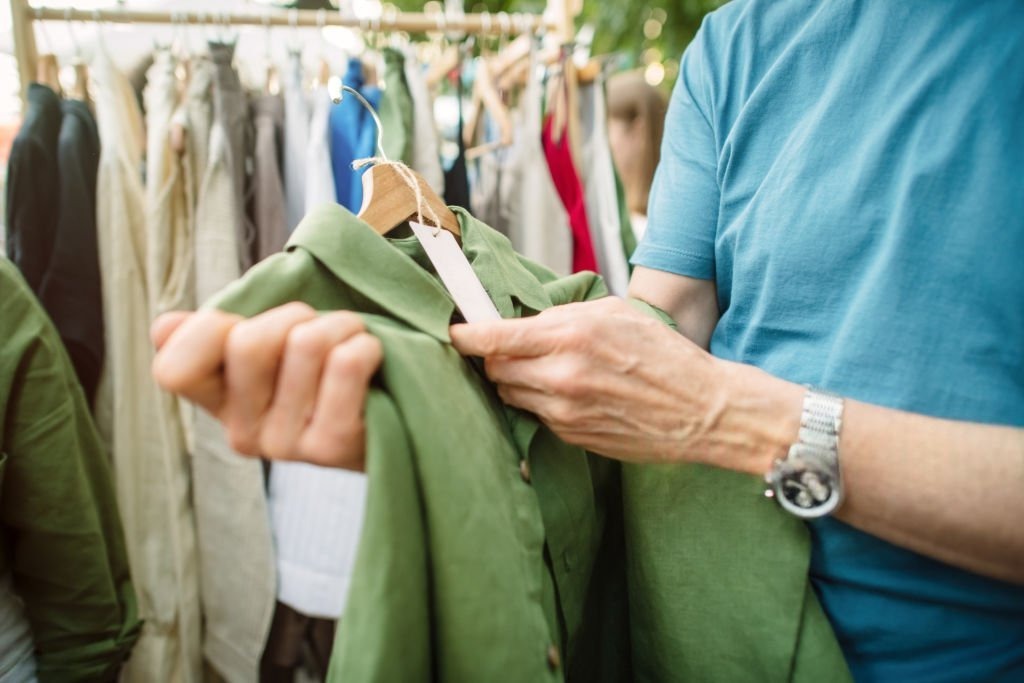
Every household has the power to slow the cycle of wasteful consumption.
Choosing durable products, supporting local artisans, reducing food waste, and prioritizing eco-friendly brands are choices that echo far beyond your kitchen or wardrobe. These choices challenge industries and encourage greener production patterns.
As I often say at the Global Sustainability Summit:
“Our collective demand determines the sustainability standard of tomorrow.”
Why These Small Habits Matter — The CanonOtto Perspective
I have spent years speaking globally on climate resilience, waste management, and circularity. And yet, the lesson I return to again and again is this:
Sustainability is not an event. It is not a conference.
It is a culture. It must begin at home.
Small habits become big impact because they shift human behaviour — and human behaviour is the engine of environmental transformation.
This is the message at the heart of SustainabilityUnscripted:
authentic, grounded, everyday sustainability that empowers people, not intimidates them.
A Call to Action: Your Home Is Your First Sustainability Classroom
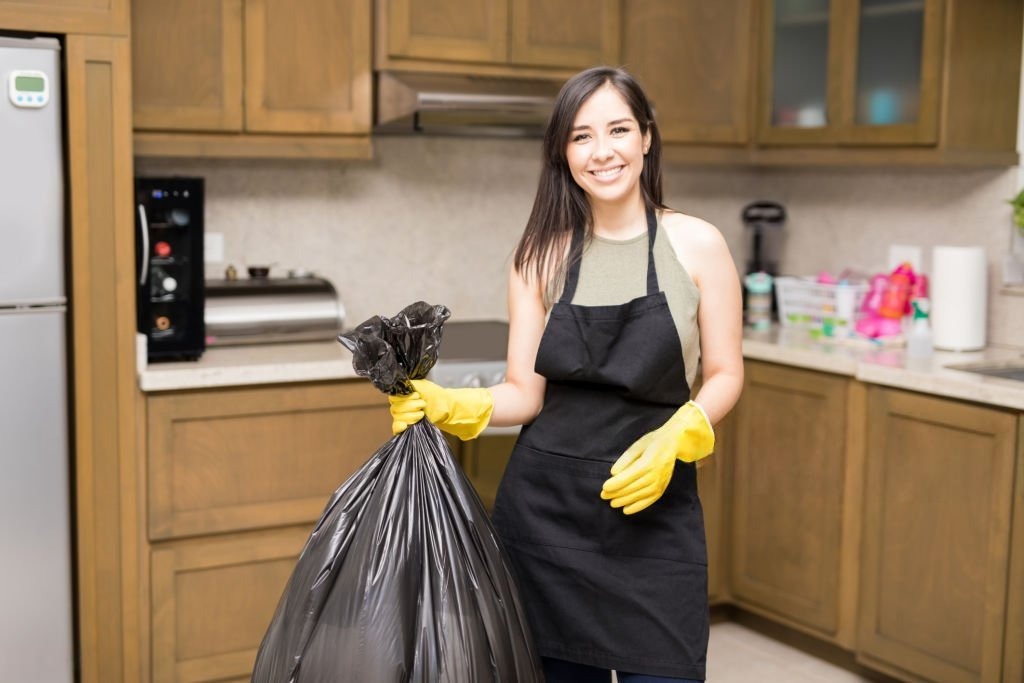
If you are reading this, understand that your home is already part of the climate conversation. Whether that participation becomes positive or negative is entirely up to you.
Start small.
Stay consistent.
Teach others.
Model the change.
And as we continue the work at Cleancyclers, as we convene thought-leaders at the Global Sustainability Summit, and as we amplify these stories here on SustainabilityUnscripted, one thing remains clear:
A sustainable world is not built by policies alone —
it is built by people, one household at a time.