By Amb. Canon Otto (Canonotto), Convener, Global Sustainability Summit
Published on SustainabilityUnscripted
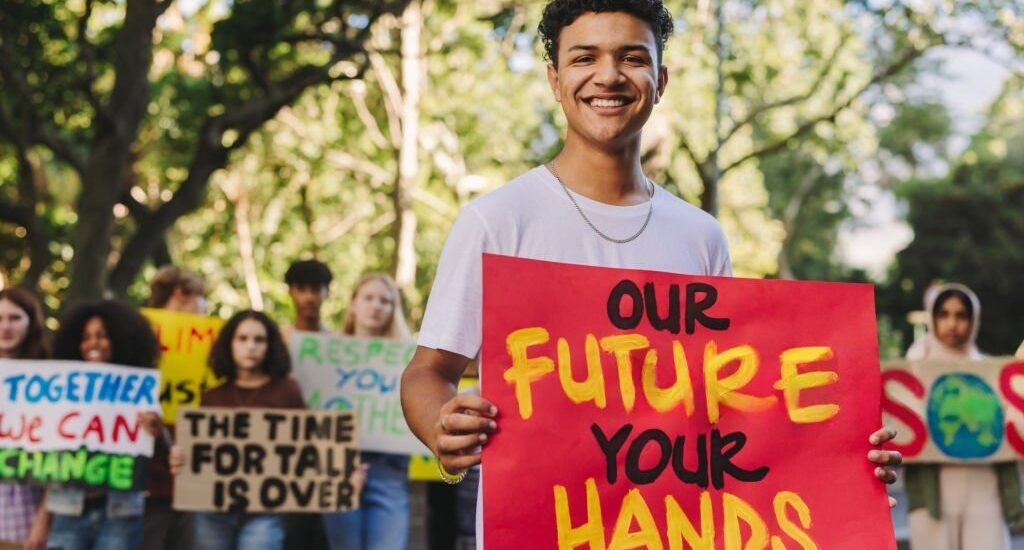
Across the world today, a powerful force is reshaping the sustainability conversation — young people who refuse to be silent in the face of climate and environmental injustice.
This generation did not create the climate crisis, yet they are inheriting its consequences. Rising temperatures, food insecurity, flooding, pollution, and shrinking economic opportunities are not abstract forecasts for them — they are lived realities. And rather than accept this future quietly, young people are stepping forward with courage, clarity, and conviction.
At SustainabilityUnscripted, and through my work with CleanCyclers and the Global Sustainability Summit, I have witnessed a defining shift:
youth are no longer waiting to be invited into the sustainability space — they are claiming it.
Why Youth Leadership Matters Now More Than Ever

Young people represent the largest demographic group globally. Their energy, creativity, and digital fluency give them an unmatched ability to mobilise, innovate, and influence public opinion.
But beyond numbers, youth bring something even more critical: moral urgency.
They understand that delayed climate action is not a political debate — it is a threat to their future. This is why youth-led movements continue to challenge governments, corporations, and institutions to act faster, bolder, and more responsibly.
As I often state at the Global Sustainability Summit,
“The climate conversation without youth is incomplete — and the solutions without them will fail.”
Youth as Innovators, Not Just Activists
While youth activism often makes headlines, what deserves equal attention is youth innovation.
Young people are building climate-tech startups, designing clean energy solutions, developing recycling systems, creating digital advocacy platforms, and reshaping how sustainability is communicated.
At CleanCyclers, we see youth as central to the circular economy. From waste sorting and recycling initiatives to sustainability education and community mobilisation, young people are transforming waste from a burden into opportunity.
They are proving that sustainability is not only about protest — it is about practical solutions.
Digital Power and the New Sustainability Narrative

This generation understands storytelling. Through social media, podcasts, blogs, and platforms like SustainabilityUnscripted, youth are reframing sustainability in ways that are relatable, urgent, and human.
They are moving the narrative away from distant policy language toward lived experience:
- polluted streets
- unreliable energy
- flooding homes
- shrinking livelihoods
This storytelling power has become one of the most effective tools for climate awareness and accountability. Youth are not just consuming information — they are shaping the global sustainability narrative.
Barriers Youth Still Face
Despite their impact, young people remain underrepresented in decision-making spaces.
Many lack:
- Access to funding
- Mentorship and training
- Policy influence
- Platforms to scale their ideas
This exclusion is not just unjust — it is counterproductive.
From my perspective as Canonotto, empowering youth is not optional. It is a strategic investment in climate resilience, economic development, and long-term sustainability.
Institutions must move beyond symbolic youth inclusion and commit to meaningful participation.
CleanCyclers and Youth-Centred Circular Action
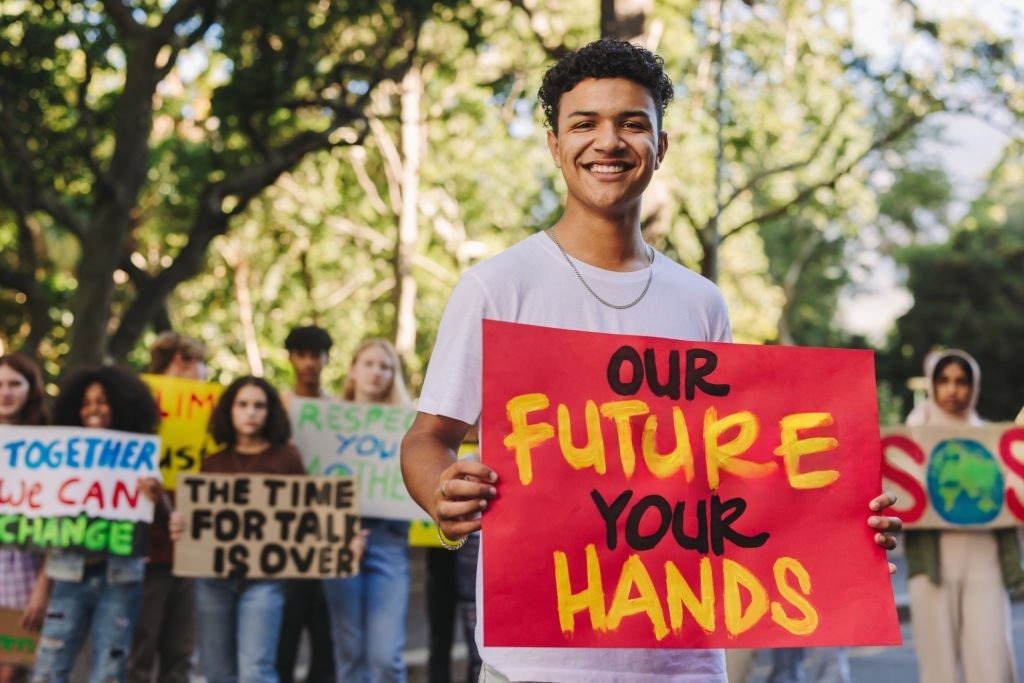
At CleanCyclers, youth engagement is not an afterthought — it is foundational.
We believe the circular economy thrives when young people are trained, employed, and empowered to:
- manage waste responsibly
- innovate recycling systems
- educate communities
- advocate for environmental accountability
Youth are natural changemakers. When equipped with skills and opportunity, they become sustainability multipliers within their communities.
This is the model we champion — action-driven, inclusive, and future-focused.
The Canonotto Perspective: Listen to the Generation That Will Live With the Consequences
One of the greatest mistakes institutions can make is underestimating youth.
This generation is informed.
They are connected.
They are organised.
And they are determined.
Sustainability efforts that ignore youth voices risk irrelevance. Policies that fail to reflect youth realities will not endure. Solutions designed without youth input will not scale.
At SustainabilityUnscripted, we amplify these voices because they represent the future of environmental leadership. At the Global Sustainability Summit, we bring youth into global conversations not as observers, but as contributors.
From Silence to Systemic Change
Youth are not asking for permission.
They are demanding accountability.
They are building alternatives.
They are redefining leadership.
The question is no longer whether young people are ready to lead — they already are.
The real question is whether institutions, governments, and corporations are ready to listen, support, and collaborate.
If we are serious about sustainability, climate justice, and a livable future, then youth must move from the margins to the centre of decision-making.
Because this generation is not silent.
And they are not backing down.