By Amb. Canon Otto
Convener, Global Sustainability Summit | Contributor, Sustainability Unscripted
Water is life.
This is not a metaphor — it is a fact.
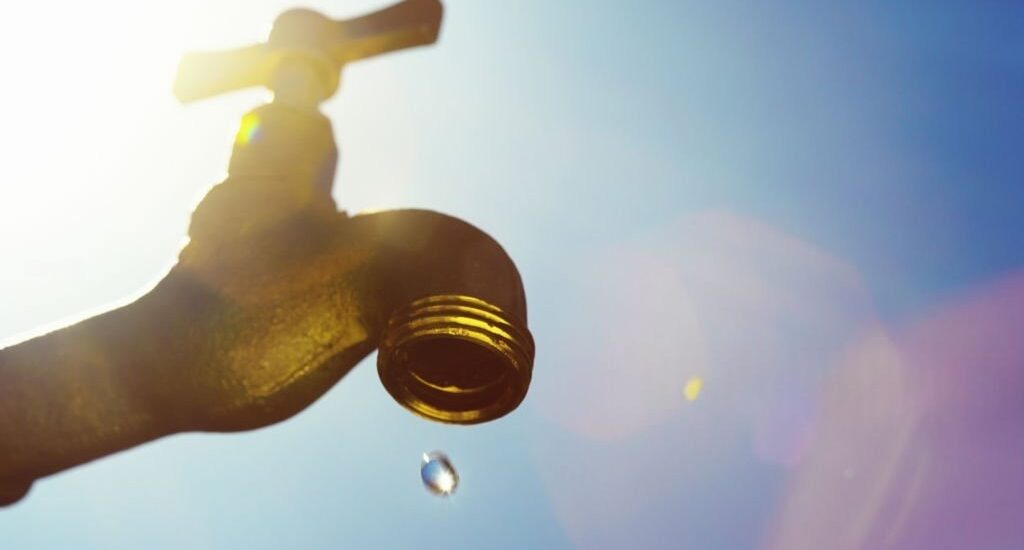
Yet across the world today, access to clean, safe water is quietly transforming from a basic human right into a troubling privilege. In some communities, water flows freely from taps. In others, it is rationed, polluted, priced beyond reach, or entirely absent.
At Sustainability Unscripted, we believe uncomfortable truths must be spoken plainly. And through my work with Clean Cyclers and as Convener of the Global Sustainability Summit, one reality has become impossible to ignore:
The global water crisis is no longer a future threat — it is a present injustice.
A Shared Crisis, Unequal Realities
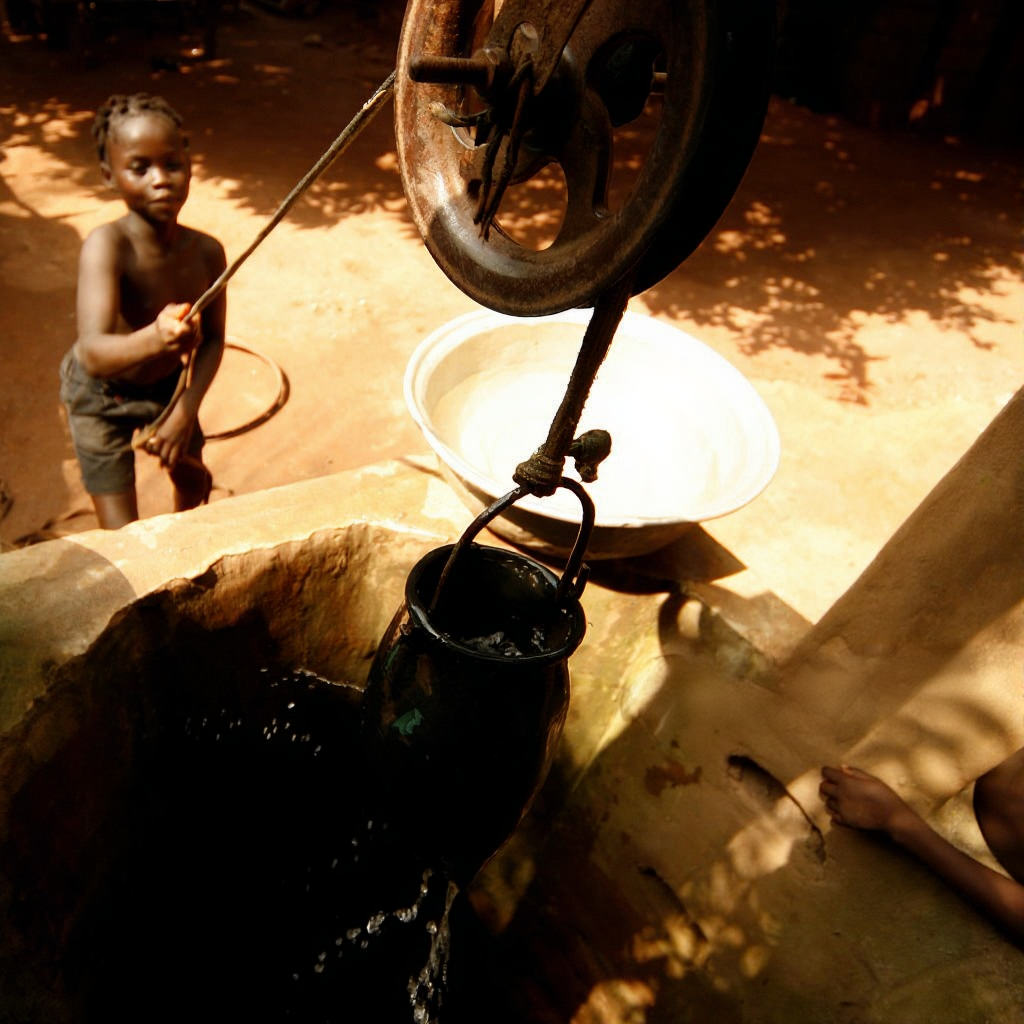
From drought-stricken regions of Africa to water-stressed cities in Europe, from shrinking reservoirs in North America to flooded yet undrinkable waters in parts of Asia, the paradox is striking:
The planet has water — but people do not.
Climate change, population growth, pollution, weak infrastructure, and poor governance are converging to create water scarcity in places that once took abundance for granted. At the same time, millions who have never known reliable access continue to live on the margins of survival.
Water scarcity is not only about quantity.
It is about access, quality, affordability, and power.
When water becomes scarce, inequality deepens.
Climate Change and the New Water Reality
Climate change has rewritten the global water equation.
Unpredictable rainfall patterns, prolonged droughts, melting glaciers, and extreme flooding events are disrupting freshwater systems worldwide. Communities now experience either too little water or too much — often both within the same year.
At the Global Sustainability Summit, water security has emerged as one of the most urgent cross-cutting issues, affecting:
- Food production
- Energy generation
- Public health
- Urban development
- Economic stability
As Canon Otto, I consistently stress that water sits at the centre of the water–energy–food nexus. When water systems fail, entire societies feel the impact.
When Access Depends on Income and Geography
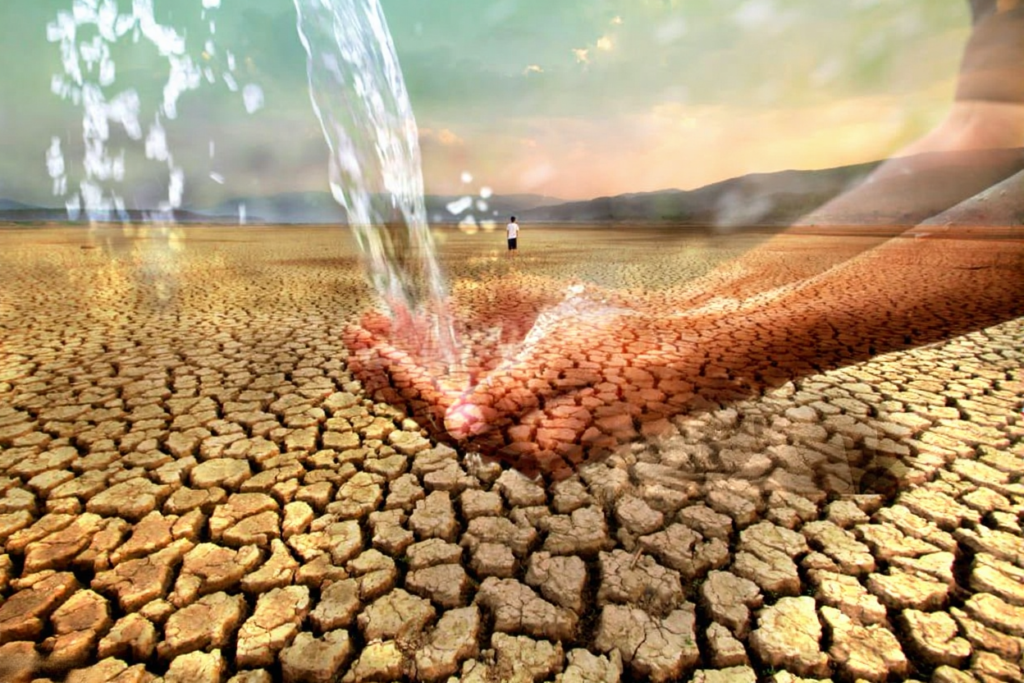
Perhaps the most troubling aspect of the water crisis is how deeply it reflects inequality.
In many cities, wealthy neighbourhoods enjoy uninterrupted supply, while informal settlements rely on water vendors, unsafe sources, or long daily journeys. In rural communities, women and children still spend hours fetching water — time stolen from education and economic opportunity.
Across continents, access to water increasingly depends on:
- Where you live
- How much you earn
- Who controls infrastructure
This is not a natural failure. It is a systemic one.
At SustainabilityUnscripted, we recognise that water injustice is not separate from social justice — it is a core expression of it.
Pollution: When Water Exists but Is Undrinkable
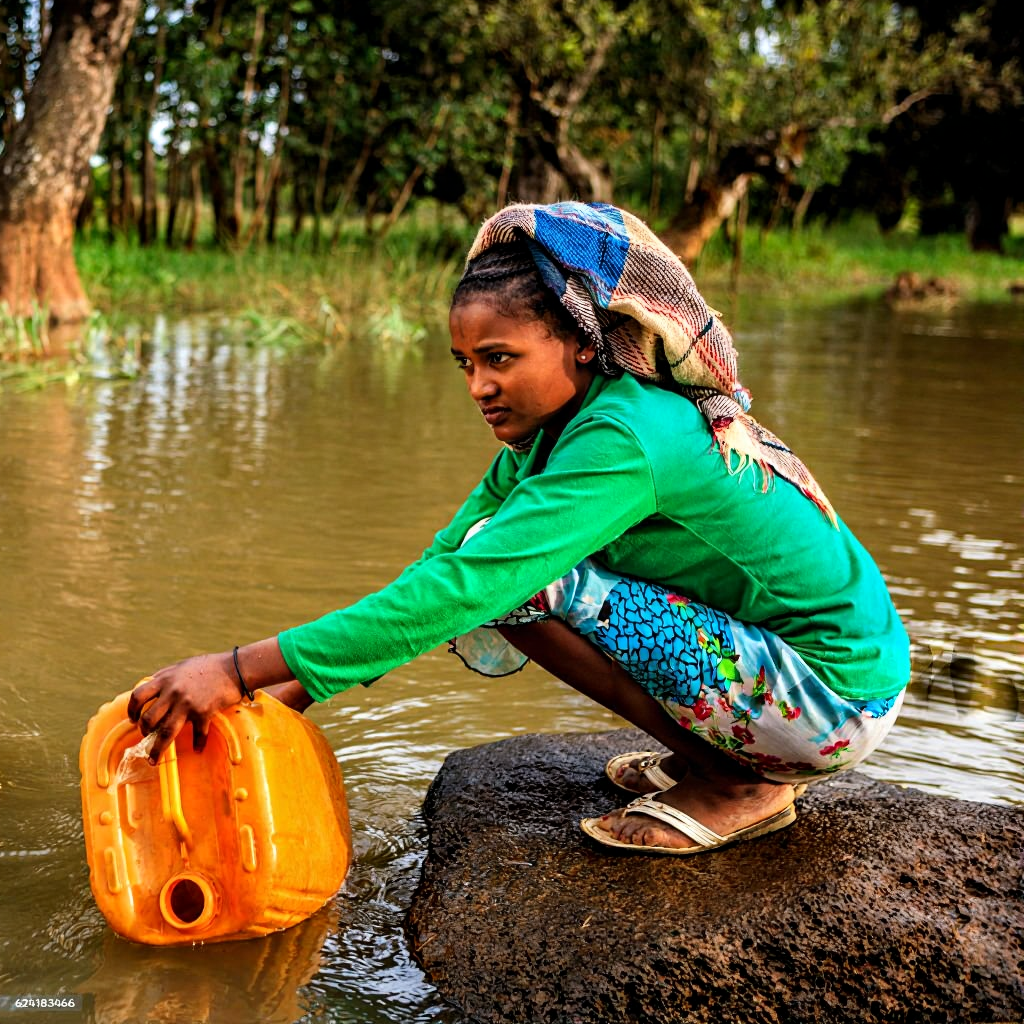
In many regions, water scarcity is not about absence — it is about contamination.
Industrial waste, plastic pollution, untreated sewage, agricultural runoff, and mining activities are poisoning rivers, lakes, and groundwater. Communities live beside water sources they cannot drink from.
This is where sustainability conversations must intersect.
At Clean Cyclers, we see how waste mismanagement directly impacts water systems. Plastic waste clogs drainage channels, worsens flooding, and contaminates waterways. A failure in waste management becomes a failure in water security.
Circular economy solutions are therefore water solutions.
Global Parallels, Shared Responsibility
While water scarcity manifests differently across regions, the patterns are strikingly similar:
- Weak infrastructure investment
- Poor governance and accountability
- Short-term planning over long-term resilience
- Exclusion of communities from decision-making
No nation is immune.
This is why global cooperation matters — but so does local action. Water solutions must be context-specific, community-driven, and equity-focused.
At the Global Sustainability Summit, these parallels inform one central message:
Water security requires systems thinking, not isolated interventions.
The Canonotto Perspective: Water Must Never Be a Luxury
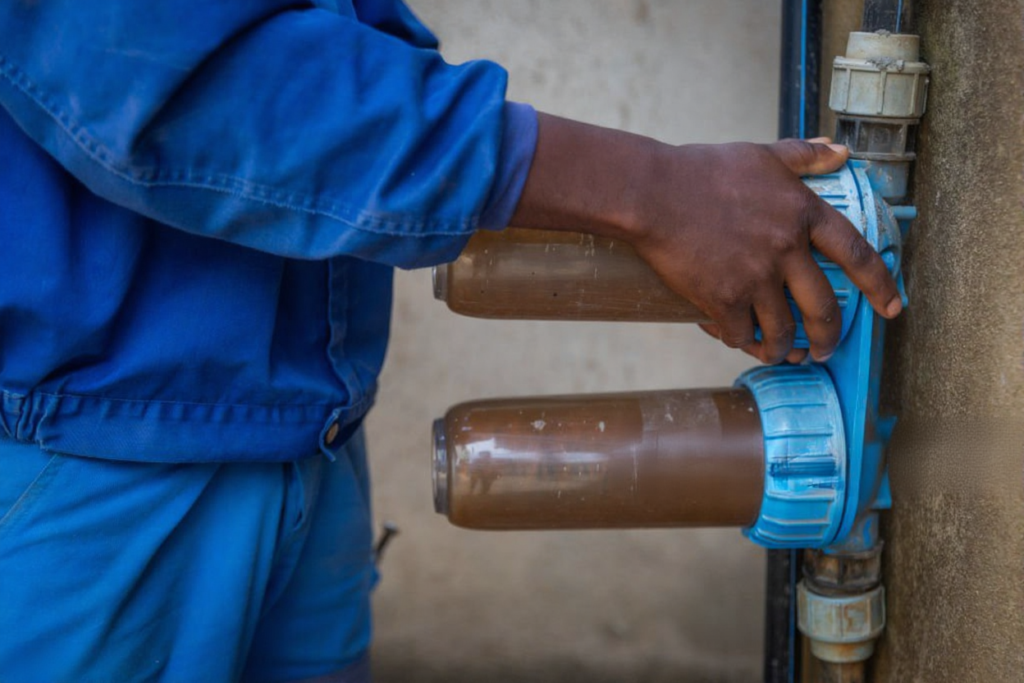
As Canon otto, I hold this conviction firmly:
Water must never become a luxury reserved for the few.
Sustainable water management demands:
- Investment in resilient infrastructure
- Protection of freshwater ecosystems
- Pollution prevention and waste circularity
- Community inclusion in water governance
- Policies that prioritise access over profit
Technology can help. Innovation matters. But without ethical leadership and political will, solutions remain uneven.
From Scarcity to Stewardship
The future of water depends on how we choose to act today.
We must move from extraction to stewardship.
From waste to circularity.
From inequality to access.
From silence to accountability.
At Sustainability Unscripted, we will continue to spotlight water as a defining sustainability issue of our time. Through Clean Cyclers, we will keep addressing the waste–water connection at community level. And through platforms like the Global Sustainability Summit, we will continue to convene leaders around solutions that recognise water as a shared responsibility.
Because when water becomes a privilege, sustainability has failed.
And failure, in this case, costs lives.