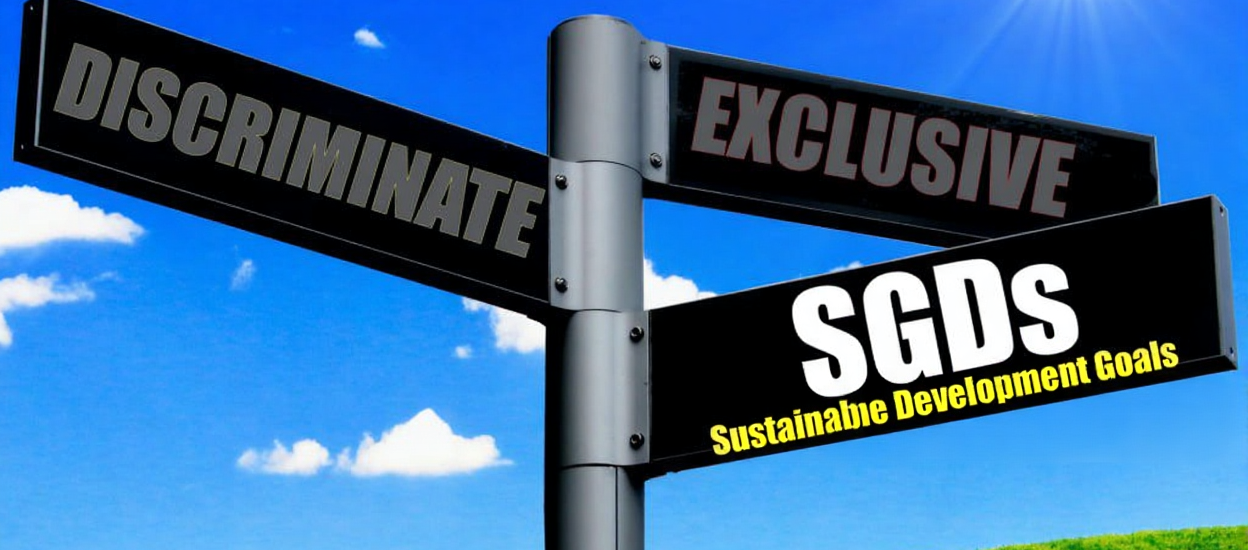
By Amb. Canon Otto | SustainabilityUnscripted
Climate change is often described as the defining challenge of our generation. Yet, buried beneath the global statistics, glossy conferences, and ambitious net-zero pledges lies an uncomfortable truth we too rarely confront: climate change does not affect everyone equally.
This is where the conversation about environmental racism must begin.
At SustainabilityUnscripted, we exist to challenge comfortable narratives and surface the realities that are too often excluded from mainstream sustainability discourse. Environmental racism is one of those realities — persistent, systemic, and deeply intertwined with how our societies are structured.
What Is Environmental Racism?

Environmental racism refers to the disproportionate exposure of marginalized, low-income, and predominantly Black or minority communities to environmental hazards. These communities are more likely to live near landfills, toxic waste sites, polluted waterways, flood-prone areas, and poorly regulated industrial zones.
This is not accidental. It is the outcome of decades — sometimes centuries — of discriminatory policies, planning decisions, and economic exclusion.
Climate change did not create environmental racism. It amplified it.
Climate Change as an Inequality Multiplier
As climate impacts intensify, environmental racism becomes more visible and more dangerous.
Flooding displaces informal settlements with no safety nets. Heatwaves claim lives in communities without reliable electricity or cooling infrastructure. Droughts devastate subsistence farmers who contributed least to global emissions. Meanwhile, wealthier populations adapt, relocate, insure, and protect themselves.
This is not a failure of science. It is a failure of justice.
As Convener of the Global Sustainability Summit, I have repeatedly observed that climate discussions often focus on technology, finance, and innovation — all critical — but rarely address who bears the cost of delay.
If sustainability does not confront inequality, it becomes performative.
The African and Global South Reality
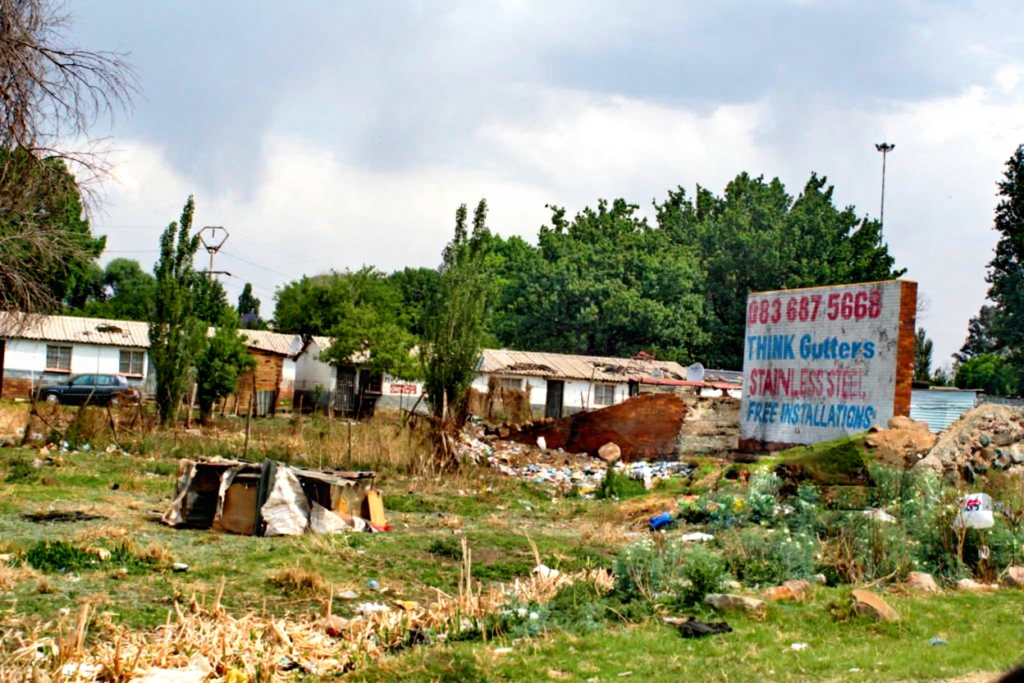
Across Africa, Latin America, and parts of Asia, environmental racism manifests in stark ways. Communities living near extractive industries face polluted water sources. Urban slums expand into floodplains because safer land is unaffordable. Waste is exported from the Global North to the Global South under the guise of “recycling.”
At CleanCyclers, we see firsthand how poor waste governance directly impacts vulnerable communities. When waste systems fail, it is not boardrooms that suffer — it is families living beside open dumps, children exposed to toxins, and women forced to navigate unsafe environments daily.
Environmental degradation and social marginalisation feed each other in a vicious cycle.
Why Environmental Racism Is Absent from Many Climate Conversations
One of the most troubling aspects of environmental racism is how often it is excluded from climate policy discussions.
Why?
Because it challenges power.
Because it forces accountability.
Because it requires redistribution, not just innovation.
It is easier to talk about carbon markets than colonial legacies. Easier to promote green technologies than to address zoning laws that confine pollution to the same postcodes, generation after generation.
At SustainabilityUnscripted, we believe sustainability must be uncomfortable enough to be honest.
CleanCyclers’ Perspective: Waste, Inequality, and Exposure
From the perspective of CleanCyclers, environmental racism is deeply embedded in global waste flows.
Communities with the least political influence often become the final destination for waste they did not produce. Informal waste pickers operate without protection. Rivers become dumping grounds. Health consequences follow — respiratory illnesses, contaminated food chains, reduced life expectancy.
Circular economy solutions cannot succeed if they ignore social equity. Recycling systems that exploit labour or externalise pollution are not sustainable — they are extractive.
True circularity must be inclusive, dignified, and just.
Reframing Sustainability Through Justice
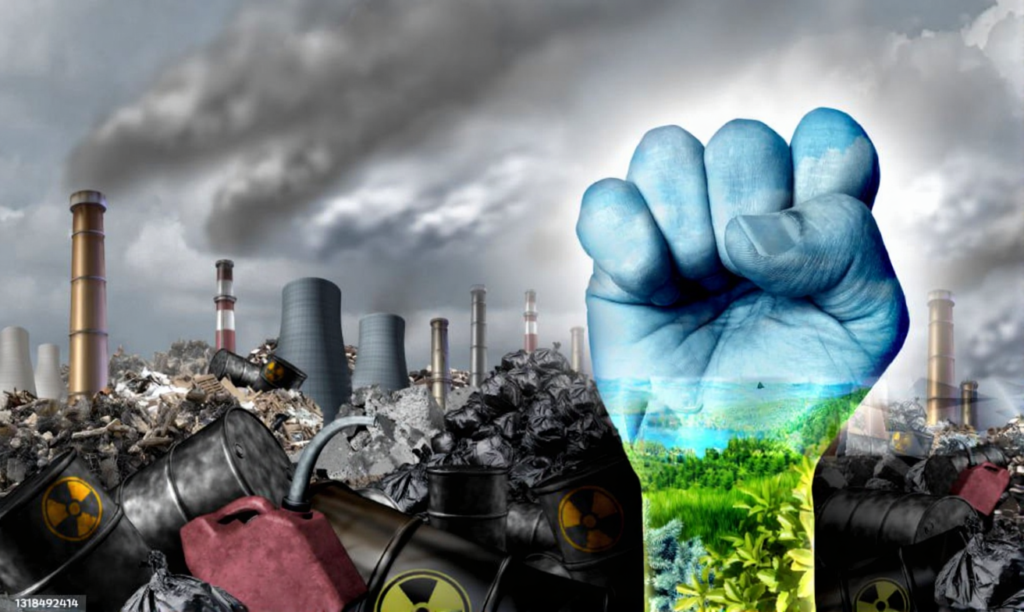
If sustainability is to mean anything beyond branding, it must integrate environmental justice at its core.
This means:
- Designing climate policies that prioritise frontline communities
- Investing in infrastructure where vulnerability is highest
- Ensuring representation of affected communities in decision-making
- Holding corporations and governments accountable for historical harm
The Global Sustainability Summit continues to create space for these conversations — not as side panels, but as central themes. Climate action divorced from justice will fail, not morally, but practically.
Moving Forward: From Silence to Action
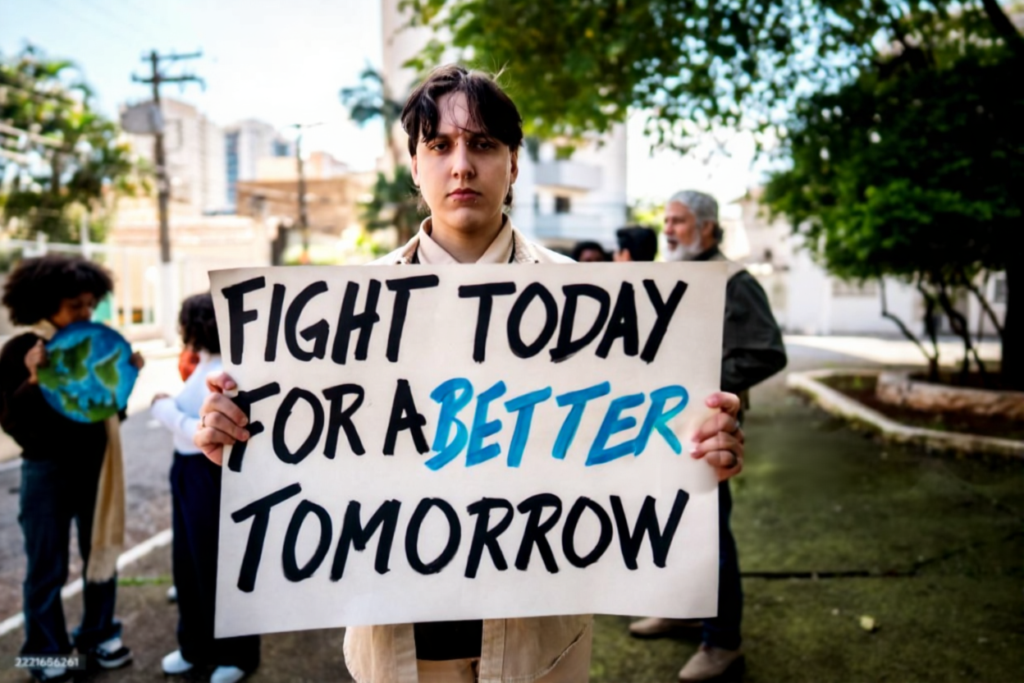
Environmental racism thrives in silence. It survives when data is abstracted, when stories are ignored, and when those most affected are excluded from leadership.
At SustainabilityUnscripted, our commitment is clear: to amplify voices, expose inequities, and push sustainability beyond rhetoric.
Climate solutions must heal, not harm. They must repair, not repeat.
Until environmental racism is addressed head-on, climate justice will remain incomplete.
And sustainability, unfinished.