
By Amb. Canon Otto
Convener, Global Sustainability Summit
Contributor, SustainabilityUnscripted
The global climate movement has no shortage of ambition. Trillions of dollars have been pledged, policies announced, targets set, and technologies deployed. Yet despite this momentum, the climate crisis continues to deepen.
This raises an uncomfortable but necessary question:
What happens when climate solutions fail — and are we honest enough to learn from them?
At SustainabilityUnscripted, we believe that progress depends not only on celebrating success, but on openly examining failure. Because repeating mistakes under new slogans is not climate action — it is delay.
When Good Intentions Deliver Poor Outcomes
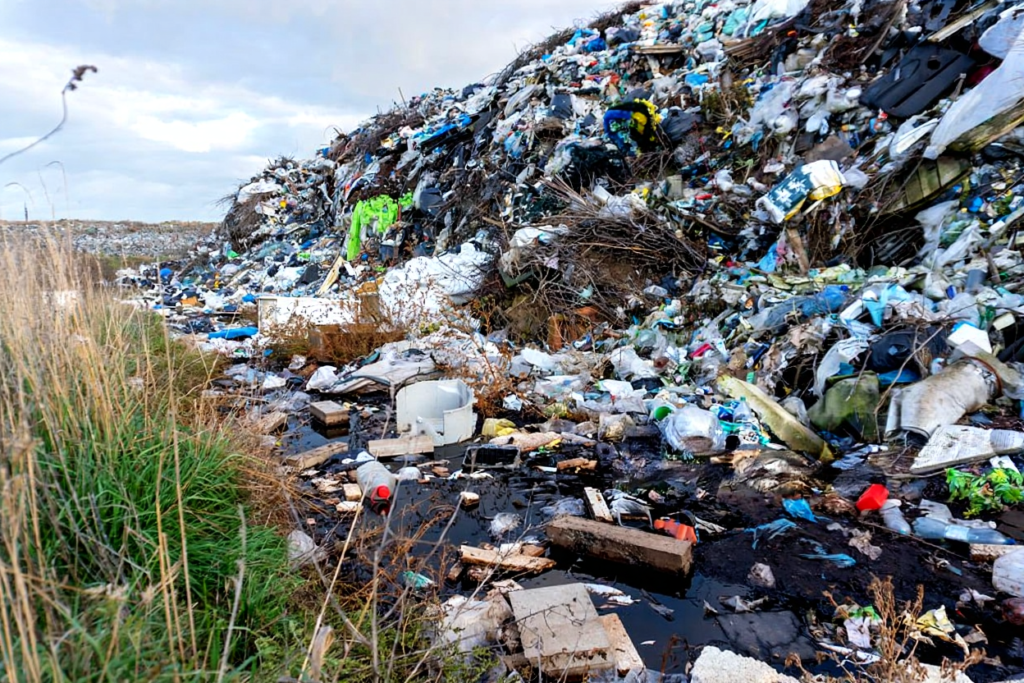
Many climate initiatives fail not because they are malicious, but because they are incomplete.
Large-scale renewable projects have displaced communities without adequate consultation. Recycling programmes have collapsed under weak infrastructure and poor public trust. Carbon offset schemes have promised neutrality while allowing emissions to rise elsewhere.
These are not fringe examples. They are systemic.
As Convener of the Global Sustainability Summit, I have observed that failure often occurs when solutions are designed far from the communities meant to live with them. Sustainability imposed without inclusion rarely sustains itself.
The Carbon Offset Illusion

Perhaps no climate solution has generated more controversy than carbon offsets. While intended as a transitional mechanism, offsets have too often become a substitute for real emissions reduction.
Projects that fail to deliver promised carbon savings, lack transparency, or displace responsibility undermine trust in the entire climate framework. The lesson is clear: accountability cannot be optional in climate markets.
At SustainabilityUnscripted, we consistently challenge narratives that prioritise convenience over integrity. Climate credibility is fragile — once broken, it is difficult to restore.
Recycling Without Systems
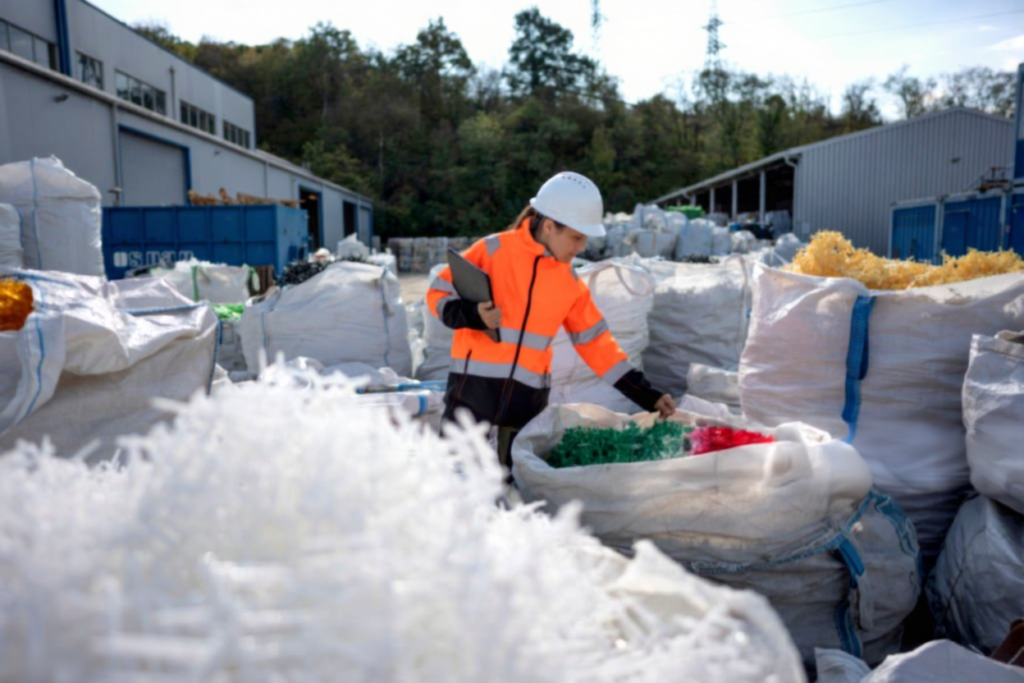
Recycling has been promoted globally as a silver bullet for waste. Yet in many regions, collection exists without processing, awareness without infrastructure, and policy without enforcement.
The result? Waste simply changes location — from streets to dumpsites, from cities to informal settlements, from one country to another.
At CleanCyclers, this reality is impossible to ignore. Circular economy solutions fail when they focus only on collection and ignore the full lifecycle of materials. Recycling without circular design is not sustainability — it is postponement.
The lesson here is structural: systems matter more than slogans.
Technology Without Context

From smart cities to advanced energy systems, technology-led climate solutions often assume uniform capacity, governance, and resources. In reality, contexts differ sharply.
Projects fail when they overlook local skills, cultural dynamics, maintenance capacity, and long-term financing. What works in one geography may collapse in another.
This is why climate innovation must be contextual, not copied.
What Failure Teaches Us
Climate failures, when examined honestly, offer critical insights:
- Communities must be partners, not afterthoughts
- Circularity must be built into design, not added later
- Accountability must accompany ambition
- Social equity is not separate from environmental outcomes
At CleanCyclers, these lessons shape how waste systems are designed — with end-of-life planning, local participation, and economic inclusion at the core.
At SustainabilityUnscripted, they shape how we tell climate stories — truthfully, critically, and without romanticising complexity.
Toward More Honest Climate Leadership

The future of climate action depends on leadership willing to admit what did not work — and why.
Failure is not the enemy of sustainability. Silence is.
As conversations at the Global Sustainability Summit continue to evolve, one principle remains constant: learning is the most renewable resource we have.
If we listen carefully, climate failures can become guides — pointing us toward solutions that are not only innovative, but resilient, just, and enduring.
That is the kind of sustainability worth building.