
What Comes After Net Zero, and Why Regeneration Must Replace Reduction.
By Amb. Canon Otto
Convener, Global Sustainability Summit. Contributor, SustainabilityUnscripted.
For years, net zero has been presented as the ultimate destination of climate ambition. Governments pledge it. Corporations advertise it. Institutions organise strategies around it. The term has become a benchmark of seriousness in sustainability conversations.
And yet, a more honest question is beginning to surface:
What happens after net zero?
Or more precisely: Is net zero actually enough?
At SustainabilityUnscripted, we believe this question can no longer be avoided. Net zero, while necessary, is not sufficient. It is a stopping point in a crisis that demands restoration, not just restraint.
The Limits of “Doing Less Harm”

Net zero is built on a simple idea: reduce emissions as much as possible, and offset what remains. In theory, this balances our impact. In practice, it often means we are still damaging ecosystems—just more slowly.
A world at net zero can still have:
- Degraded soils
- Polluted rivers
- Collapsing biodiversity
- Growing waste mountains
- Fragile communities exposed to climate shocks
Net zero focuses on not making things worse.
But sustainability in the 21st century must also be about making things better.
As Convener of the Global Sustainability Summit, I have watched climate ambition mature from denial, to reduction, to mitigation. The next phase must be regeneration.
From Reduction to Regeneration

Reduction is defensive.
Regeneration is restorative.
Reduction asks: How do we emit less?
Regeneration asks: How do we repair what has been damaged?
This shift matters deeply.
We are not inheriting a stable planet that merely needs protection. We are inheriting a stressed, depleted, and unequal world that needs active healing—of ecosystems, economies, and social systems.
At CleanCyclers, this distinction is visible every day. Managing waste is not just about reducing what goes to landfill. It is about redesigning material flows, restoring value to discarded resources, and rebuilding circular systems that give more back than they take.
A net-zero waste system still tolerates waste.
A regenerative system prevents waste from existing in the first place.
The Risk of Comforting Targets
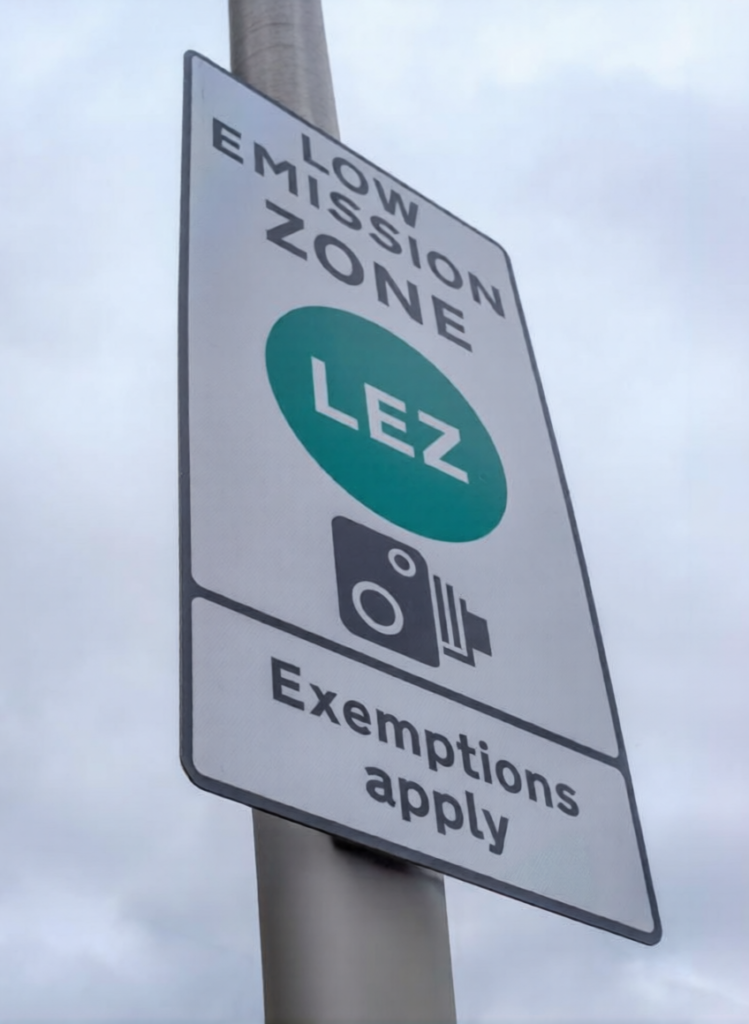
Net zero has another weakness: it can become a comforting illusion.
Targets set for 2040 or 2050 are easy to announce and hard to verify. Offsets can mask real-world damage. Accounting tricks can replace structural change. The result is a climate narrative that looks ambitious on paper but changes too little on the ground.
Through SustainabilityUnscripted, we have consistently argued that credibility matters more than slogans. The climate transition cannot be built on creative accounting while ecosystems continue to erode.
Regeneration demands more. It demands:
- Rebuilding natural systems, not just protecting remnants
- Designing circular economies, not just cleaner linear ones
- Creating social value, not just reducing environmental harm
- Measuring success in resilience, not only in emissions
What Regenerative Leadership Looks Like
Regeneration is not a sector. It is a mindset.
In energy, it means systems that restore landscapes and communities, not just decarbonise grids.
In cities, it means infrastructure that absorbs shocks, cleans air and water, and strengthens social cohesion.
In waste, it means circular design, material recovery, and value creation—principles at the heart of CleanCyclers’ work.
In policy, it means moving beyond “less bad” toward actively good.
This is the conversation increasingly shaping the Global Sustainability Summit: the future will not be secured by neutrality alone. Neutral is not the same as resilient.
Africa and the Regenerative Opportunity
For Africa, this moment is especially significant.
The continent has the opportunity not just to catch up with old industrial models, but to leapfrog into regenerative ones—in energy, materials, cities, and food systems.
But this will only happen if ambition moves beyond net zero and toward net positive: systems that restore ecosystems, create livelihoods, and strengthen long-term resilience.
At SustainabilityUnscripted, we believe Africa’s sustainability story should not be about managing decline more efficiently—but about designing renewal at scale.
The Question We Must Now Ask

Net zero is a milestone.
It should never be the destination.
The real question for this generation of leaders, investors, and institutions is this:
Are we building systems that merely survive—or systems that regenerate life, value, and possibility?
At CleanCyclers, and across the conversations shaped by CanonOtto at the Global Sustainability Summit, one truth is becoming unavoidable:
The future of sustainability is not neutral.
It is regenerative.
And the sooner we design for that future, the better our chances of truly earning it.