By Amb. Canon Otto | SustainabilityUnscripted
There is a dangerous narrative we continue to entertain—that urban flooding is purely a climate problem.
It is not.
Flooding, especially across rapidly growing cities in Africa and other developing regions, is as much a waste management failure as it is a climate issue. At SustainabilityUnscripted, we believe in confronting uncomfortable truths. And here is one of them:
Many of our cities are not drowning because of rainfall—they are drowning because of waste.
The Blocked Arteries of Our Cities

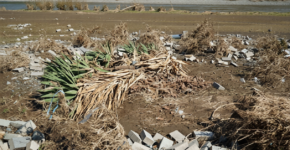
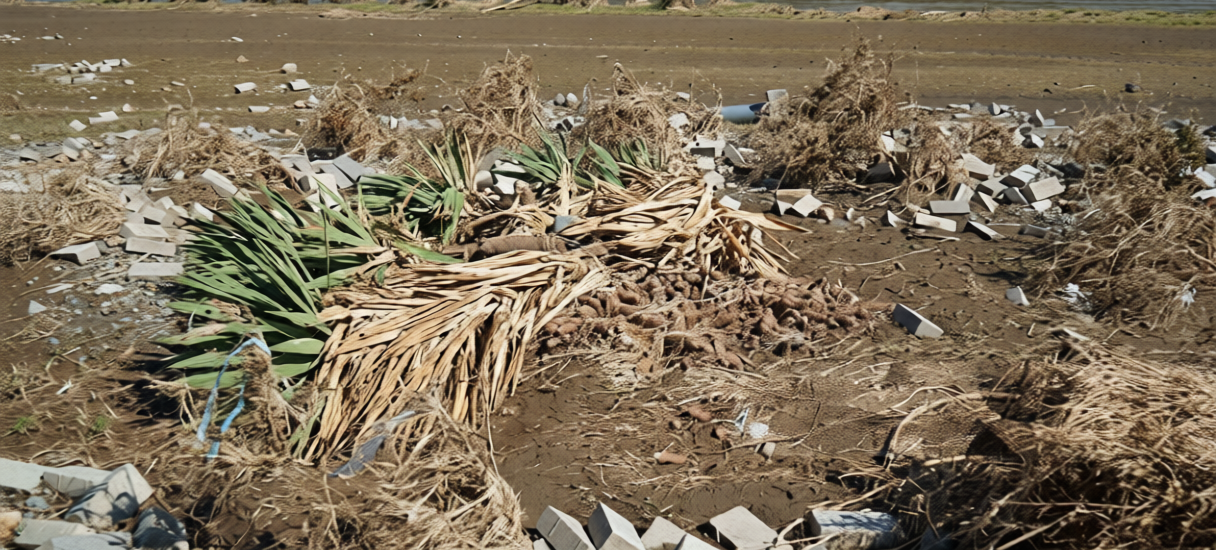
Walk through any major city after a heavy downpour—Lagos, Port Harcourt, Nairobi, Jakarta—and you will see the same pattern.
Drainage systems designed to channel water efficiently are clogged with:
- Plastic waste
- Food packaging
- Non-biodegradable debris
What should function as urban water arteries becomes a blocked system under pressure. The result?
- Rapid surface runoff
- Overflowing drains
- Floodwaters invading homes and businesses
This is not an infrastructure mystery. It is a systems failure driven by poor waste governance.
At CleanCyclers, we have consistently emphasized that waste is not just an environmental issue—it is a public safety issue.
Waste Infrastructure: The Missing Link in Climate Adaptation
Governments are investing in climate conversations, policies, and global commitments. Yet, the most immediate line of defense—waste infrastructure—remains underdeveloped.
Let’s be precise:
You cannot build climate resilience on top of a broken waste system.
Key gaps include:
- Inefficient waste collection systems
- Lack of recycling infrastructure
- Poor enforcement of waste disposal regulations
- Minimal investment in circular economy models
At the Global Sustainability Summit, we have repeatedly highlighted that adaptation is not abstract—it is operational. And operational failure begins where systems like waste management are neglected.
The Economics of Neglect
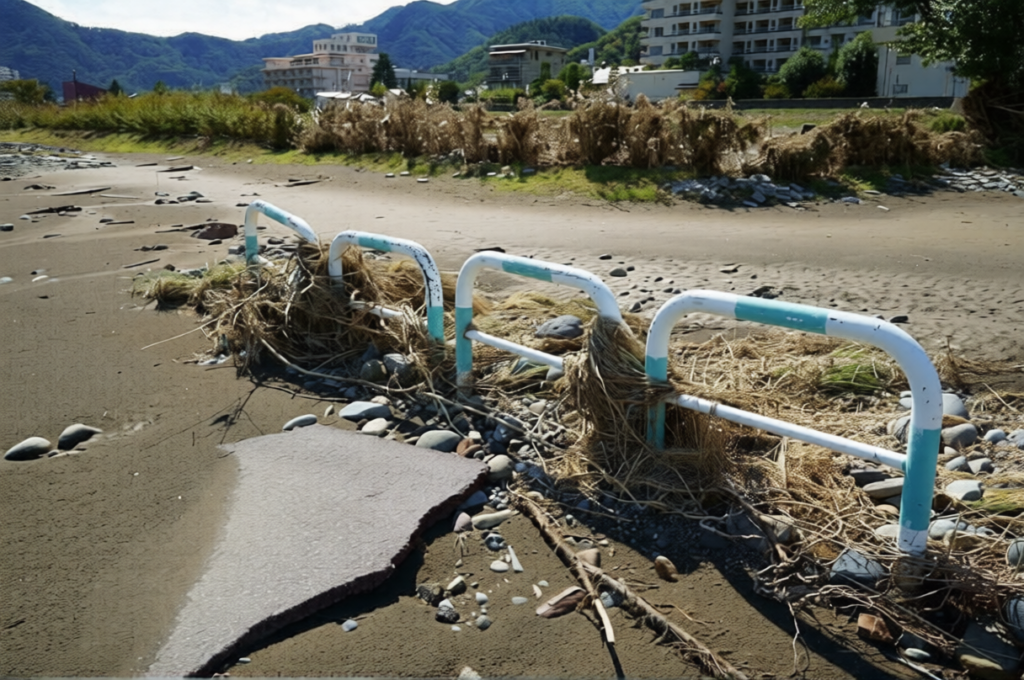
Flooding is expensive.
Cities lose billions annually due to:
- Damaged infrastructure
- Disrupted businesses
- Healthcare costs from waterborne diseases
- Loss of productivity
Yet, paradoxically, investment in waste systems remains minimal compared to the cost of disaster recovery.
This is a classic example of reactive governance instead of preventive strategy.
At SustainabilityUnscripted, we challenge this thinking. Waste management should not be seen as a cost center—it is critical urban infrastructure.
Behavior, Policy, and Accountability
We must also confront another reality: infrastructure alone is not enough.
Urban flooding linked to waste is a three-layer problem:
- Behavioral failure — indiscriminate disposal of waste
- Policy failure — weak enforcement and planning
- System failure — inadequate collection and recycling capacity
Solving this requires alignment across all three.
This is where organizations like CleanCyclers are repositioning the narrative—moving from waste collection to waste intelligence, circular systems, and community engagement.
From Waste to Climate Strategy
If cities are serious about climate adaptation, waste must move from the margins to the center of policy.
This means:
- Designing cities with integrated waste-flow systems
- Embedding recycling into urban planning
- Supporting waste workers and the informal sector
- Leveraging data to predict and prevent waste accumulation in flood-prone areas
The future of climate-resilient cities will not be defined by how they respond to floods—but by how well they prevent them.
A Call to Build, Not Just Discuss
At the Global Sustainability Summit, one message continues to resonate:
We do not need more conversations—we need more systems that work.
Urban flooding is no longer just an environmental talking point. It is a visible, recurring, and preventable crisis.
And the solution is not distant or theoretical.
It is in:
- Better waste systems
- Stronger accountability
- Smarter urban planning
Final Reflection

The next time a city floods, we must ask a more honest question:
Was it the rain—or was it the waste?
At SustainabilityUnscripted, we will continue to challenge the narratives that slow progress. Through CleanCyclers and the Global Sustainability Summit, we remain committed to building solutions that move us from vulnerability to resilience.
Because sustainability is not just about saving the planet.
It is about fixing the systems we live in—now.