By Amb. Canon Otto | SustainabilityUnscripted
There is a powerful narrative driving the global sustainability agenda:
That the transition to clean energy will free us from the constraints of the fossil fuel era.
But there is a deeper reality we must confront.
We are not eliminating dependency—we are replacing it.
At SustainabilityUnscripted, we interrogate the systems behind the headlines. And one of the most critical, yet under-discussed, issues is this:
The clean energy transition is built on a fragile foundation of rare earth and critical minerals.
The Hidden Backbone of Clean Energy
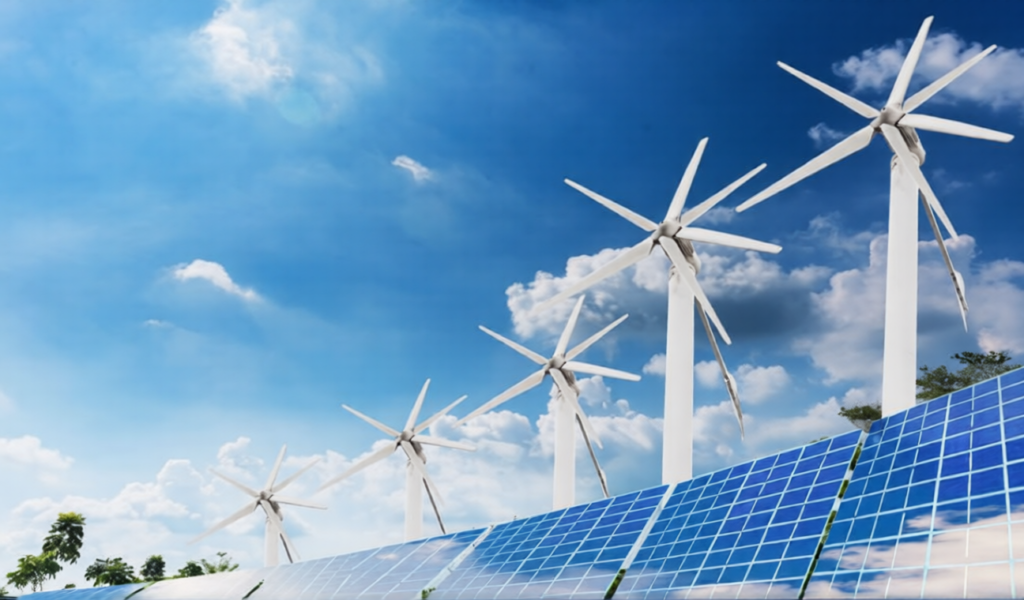
Solar panels.
Wind turbines.
Electric vehicles.
Battery storage systems.
These technologies are often presented as symbols of independence and sustainability.
Yet, they rely heavily on materials such as:
- Lithium
- Cobalt
- Nickel
- Rare earth elements like neodymium and dysprosium
These are not optional inputs—they are structural requirements.
Without them, the clean energy transition does not scale.
Supply Chain Concentration: A New Form of Dependency
Unlike fossil fuels, which are geographically widespread, critical minerals are highly concentrated.
A small number of countries dominate:
- Extraction
- Processing
- Refining
This creates a new geopolitical reality:
Control over minerals is becoming control over the future of energy.
At SustainabilityUnscripted, we see this as a shift—not away from dependency, but toward strategic concentration.
The risk is clear:
- Supply disruptions
- Price volatility
- Political leverage
This is not theoretical. It is already shaping global trade and diplomatic relationships.
The Geopolitics of the Energy Transition
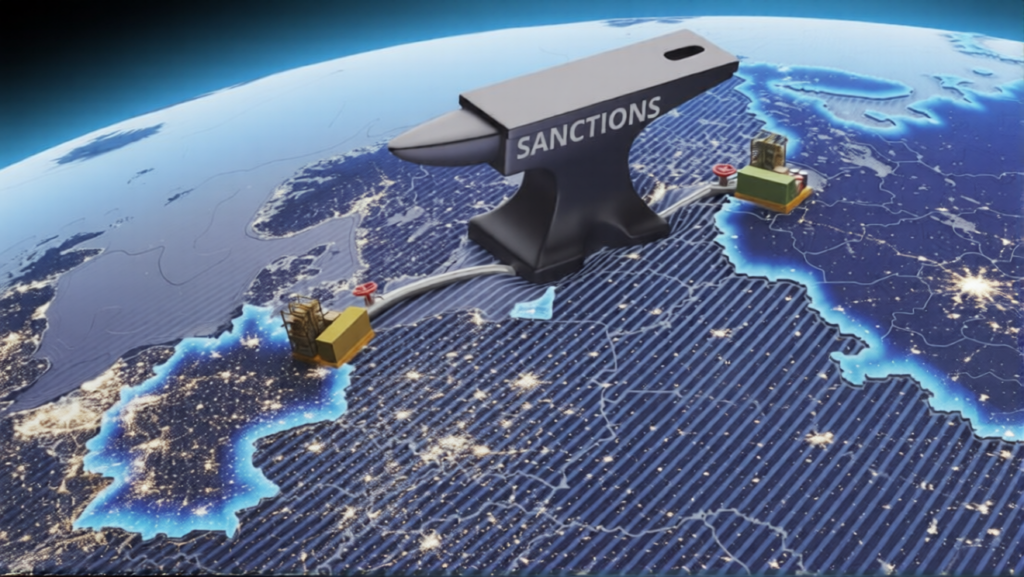
The transition to renewable energy is no longer just an environmental issue—it is a geopolitical contest.
Countries are:
- Securing mineral supply chains
- Investing in mining assets abroad
- Restricting exports to protect domestic industries
What we are witnessing is the emergence of a new resource race.
Not for oil—but for minerals.
At the Global Sustainability Summit, this reality is becoming increasingly central to discussions around energy security and sustainable development.
Because sustainability without supply chain security is structurally unstable.
The Ethical and Environmental Contradiction
There is another dimension we must not ignore.
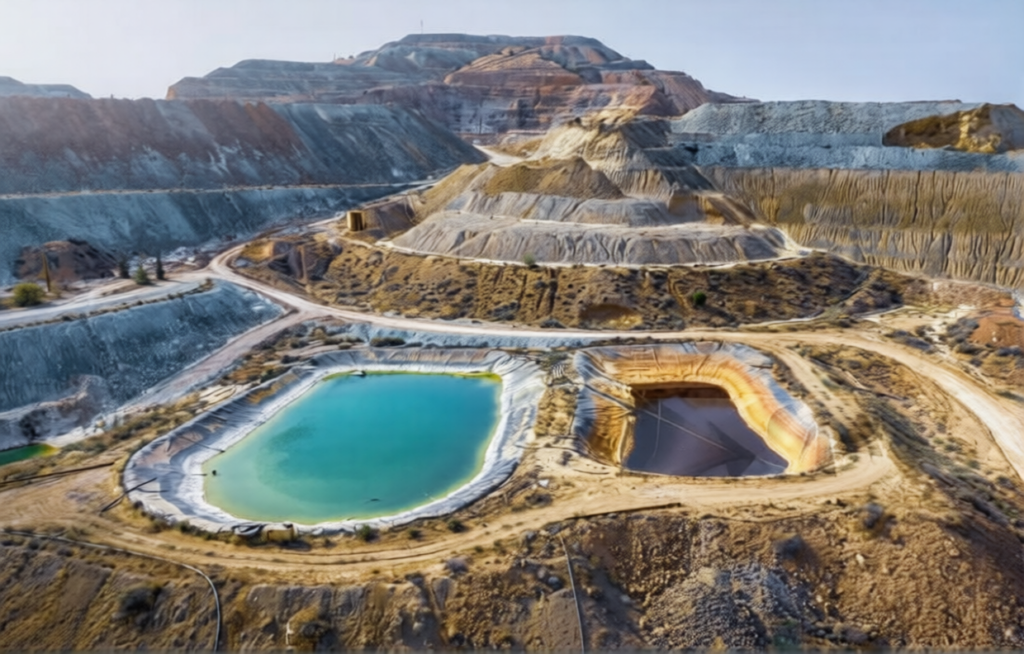
The extraction of rare earth minerals often comes with:
- Environmental degradation
- Water pollution
- Unsafe labor conditions
- Community displacement
This presents a difficult contradiction:
Can a transition be called sustainable if its foundation is extractive and unequal?
At SustainabilityUnscripted, we believe sustainability must be evaluated across the entire value chain—not just at the point of use.
Clean energy is only truly clean if:
- Its materials are responsibly sourced
- Its supply chains are transparent
- Its impacts are equitably distributed
Renewable Energy’s Dependency Risk
The global push toward renewables is accelerating.
But with it comes a new vulnerability:
Over-reliance on limited material inputs.
If demand continues to rise without:
- Diversified sourcing
- Recycling systems
- Material innovation
Then the energy transition risks slowing down—or becoming economically inaccessible for many regions.
This is particularly critical for developing economies, where access to these materials can determine:
- Energy independence
- Industrial growth
- Climate resilience
Where CleanCyclers Enters the Conversation
This is where the role of organizations like CleanCyclers becomes strategic—not peripheral.
Because the future of critical minerals will not depend solely on extraction.
It will depend on recovery.
End-of-life products—batteries, electronics, renewable energy components—contain valuable materials that can be:
- Recycled
- Reprocessed
- Reintroduced into the supply chain
This is the circular economy in action.
At CleanCyclers, the focus is not just on waste management—but on resource recovery systems that reduce dependency on virgin materials.
Because every unit of material recovered is:
- One less unit extracted
- One less environmental impact created
- One step toward supply chain resilience
From Extraction to Circularity
If the clean energy transition is to be truly sustainable, it must evolve from a linear model to a circular one.
This means:
- Designing products for recyclability
- Investing in mineral recovery infrastructure
- Scaling urban mining initiatives
- Strengthening waste-to-resource ecosystems
At SustainabilityUnscripted, we emphasize that the future of sustainability is circular—or it is constrained.
A Strategic Imperative, Not an Option
The rare earth dependency problem is not a niche concern.
It is a defining issue of our time.
Because it sits at the intersection of:
- Climate action
- Economic development
- Geopolitics
- Industrial strategy
At the Global Sustainability Summit, one message is becoming increasingly clear:
The success of the energy transition will depend not just on technology—but on supply chains.
Final Reflection
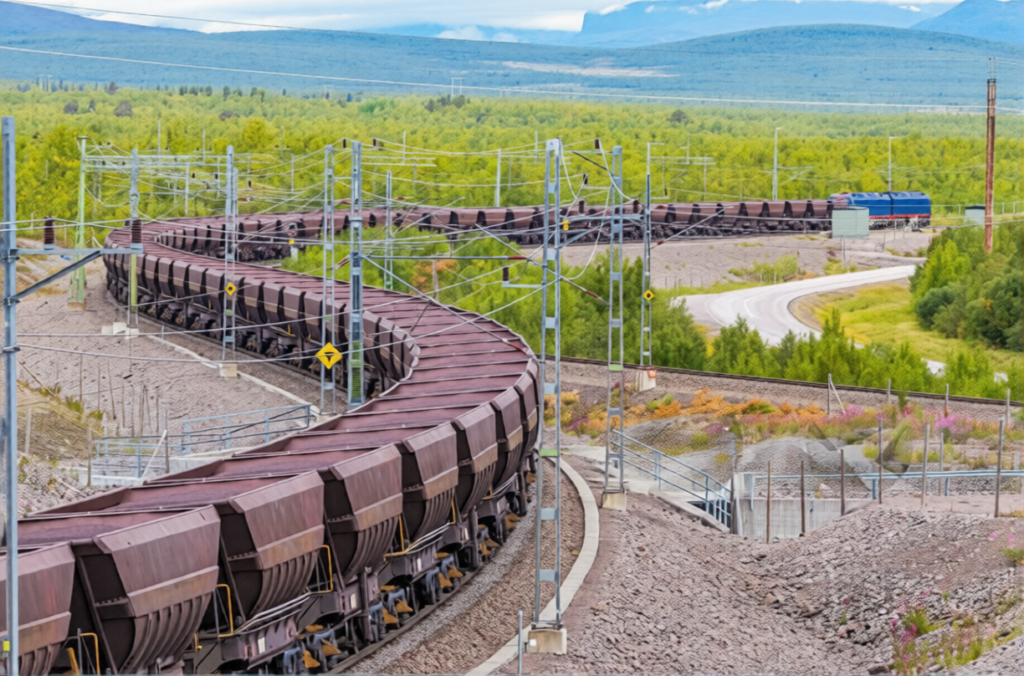
We often celebrate the visible symbols of sustainability—solar farms, electric vehicles, wind turbines.
But behind them lies a deeper system.
A system of materials, extraction, logistics, and power.
The question we must ask is not just:
Can we transition to clean energy?
But also:
Can we sustain the transition itself?
At SustainabilityUnscripted, we will continue to explore these critical intersections—where environment meets economics, and innovation meets reality.
Through CleanCyclers, through the Global Sustainability Summit, and through voices like CanonOtto, we are committed to building a future where sustainability is not only aspirational—
But structurally sound.
Because the real measure of progress is not what we build.
It is how sustainably we build it.