By Amb. Canon Otto | SustainabilityUnscripted
There is a crisis unfolding quietly—yet relentlessly—across the world.
It does not always make headlines.
It is not always measured in carbon metrics.
But it is already reshaping societies, economies, and cities.
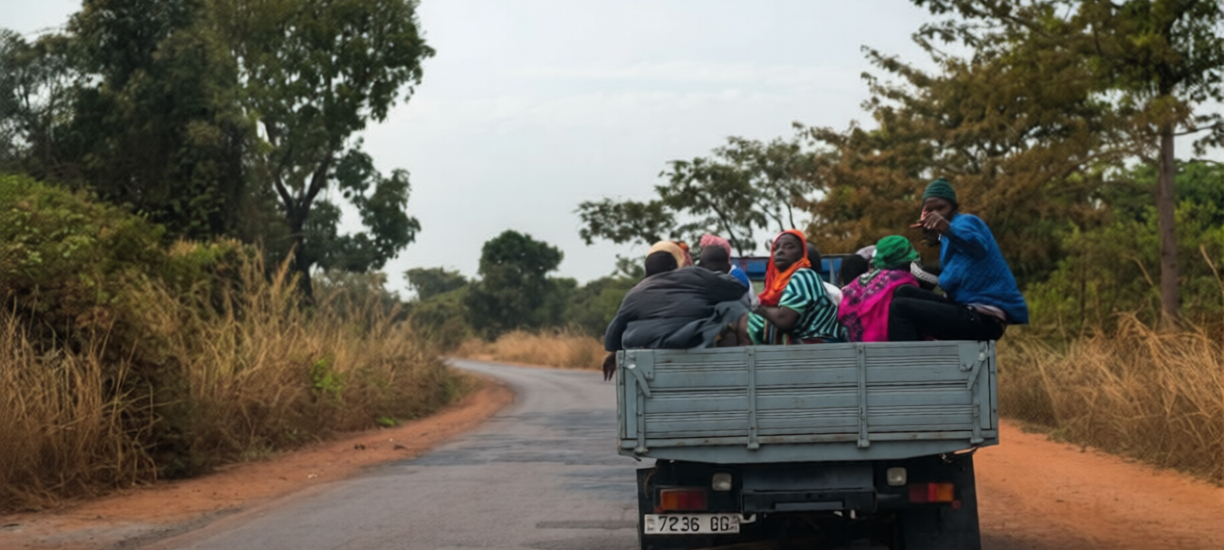
People are moving—not by choice, but by climate.
At SustainabilityUnscripted, we believe the most dangerous sustainability challenges are the ones we are least prepared for. Climate migration is one of them.
And the reality is clear:
Climate change is no longer just an environmental issue. It is a human displacement crisis.
When Geography Becomes Unlivable
For decades, climate discussions have focused on temperature targets and emissions reductions.
But on the ground, the consequences are far more immediate.
In coastal regions, rising sea levels and repeated flooding are making communities uninhabitable.
In rural areas, changing rainfall patterns and prolonged droughts are collapsing agricultural systems.
What happens next is inevitable:
People move.
Not as a strategy—but as survival.
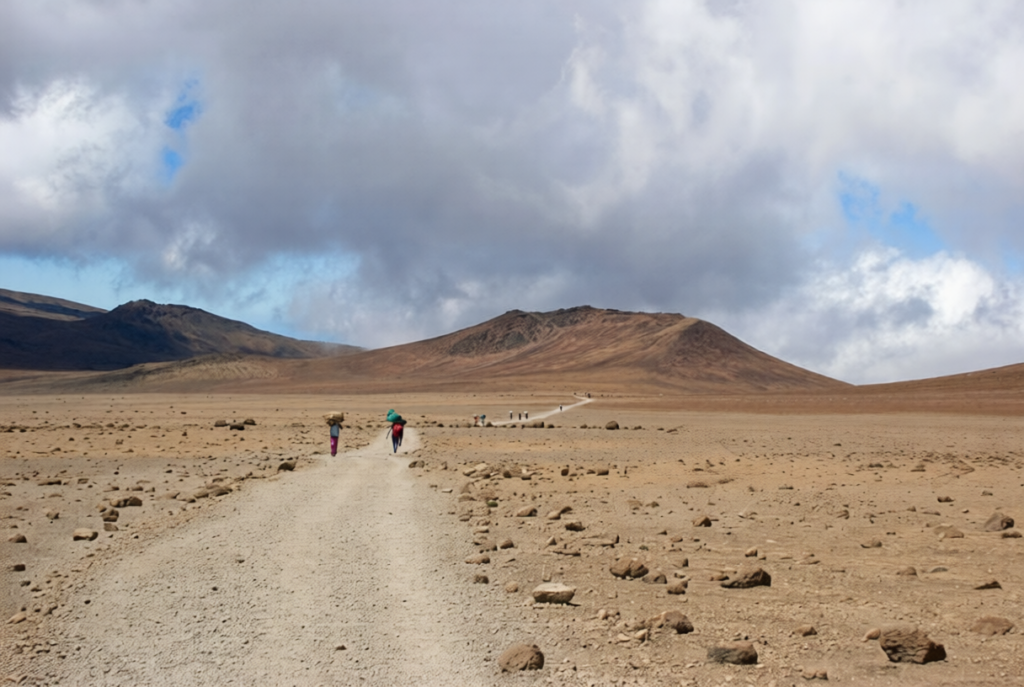
Across parts of Africa, Asia, and Latin America, entire communities are being forced to abandon:
- Farmlands that no longer produce
- Homes repeatedly destroyed by floods
- Livelihoods that can no longer sustain families
This is climate migration in its most human form.
The Urban Pressure Point
Where do displaced populations go?
Cities.
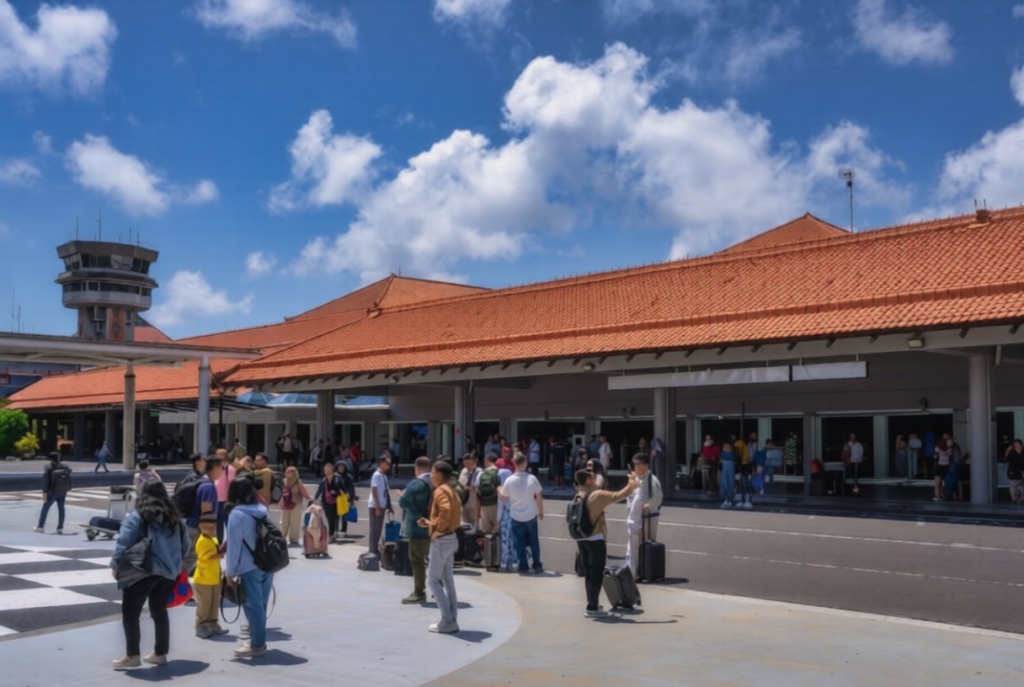
Urban centers are becoming the default destination for climate migrants. But here lies another problem:
Most cities are not designed to absorb sudden population increases.
The result is mounting pressure on:
- Housing systems
- Water supply
- Waste management infrastructure
- Transportation networks
- Public health systems
This is where the conversation intersects directly with the work we do at CleanCyclers.
Because as populations increase, so does waste generation. And without proper systems, cities face a dual crisis:
- Environmental degradation
- Infrastructure collapse
At SustainabilityUnscripted, we emphasize that urban resilience must include population resilience.
From Environmental Crisis to Socioeconomic Instability
Climate migration does not exist in isolation.
It triggers a chain reaction:
- Increased unemployment
- Rising inequality
- Resource competition
- Social tension
When governments fail to anticipate and plan for migration flows, the consequences extend beyond environmental stress into economic and political instability.
This is why, at the Global Sustainability Summit, we continue to stress that sustainability must be approached as a systems issue—not a single-sector problem.
The Policy Gap
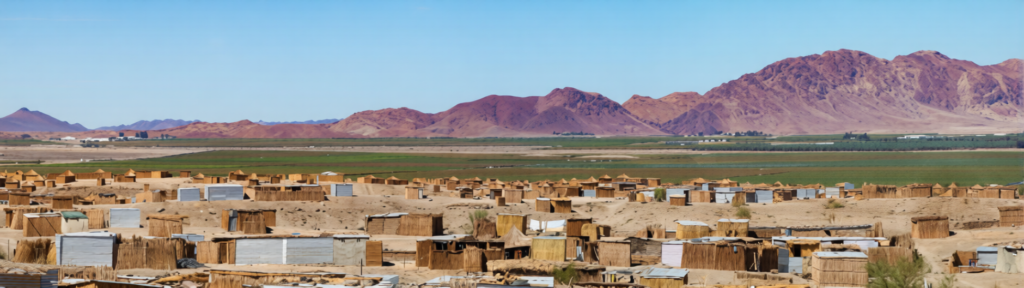
Despite the scale of the challenge, climate migration remains significantly under-addressed in policy frameworks.
Why?
Because it sits at the intersection of:
- Climate policy
- Immigration policy
- Urban planning
- Economic development
And in many cases, responsibility is fragmented.
The result is inaction.
There is no cohesive global strategy for:
- Protecting climate-displaced populations
- Supporting host communities
- Designing adaptive urban systems
At SustainabilityUnscripted, we challenge this gap directly.
Because ignoring climate migration does not prevent it—it accelerates its impact.
Rethinking Sustainability Through a Human Lens
If sustainability is to remain relevant, it must evolve.
It cannot be limited to:
- Carbon targets
- Energy transitions
- Environmental metrics
It must also account for:
Human movement. Human survival. Human dignity.
This requires a shift in thinking:
- From mitigation alone → to adaptation and resilience
- From infrastructure → to inclusive infrastructure
- From policy frameworks → to implementation systems
Organizations like CleanCyclers play a role here—not just in waste management, but in building systems that can scale with population growth and urban pressure.
What Preparedness Should Look Like
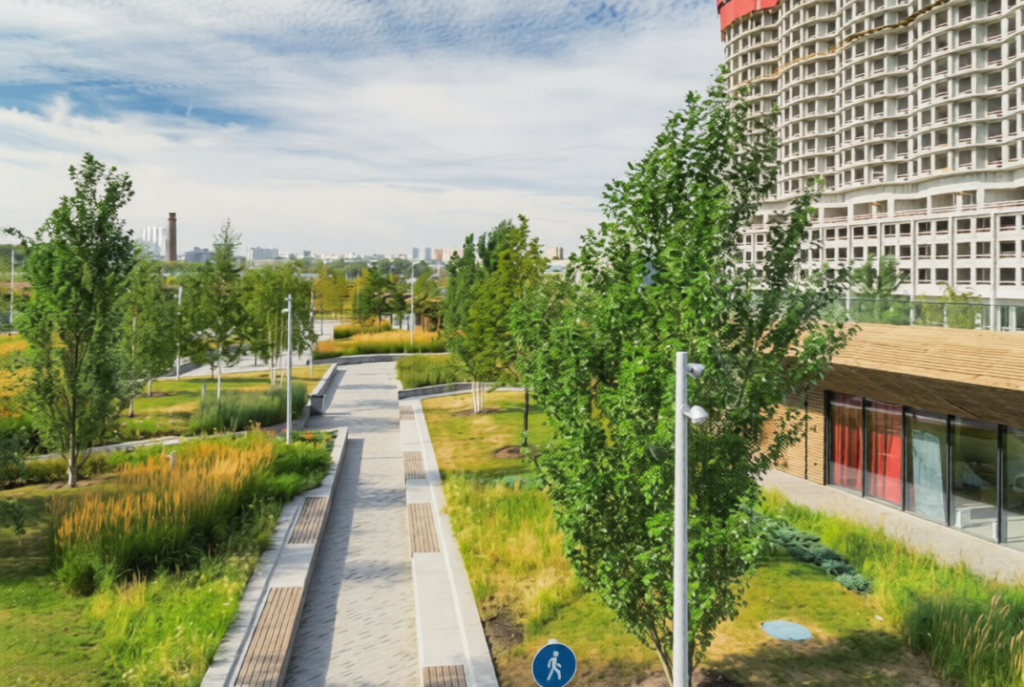
If governments are serious about addressing climate migration, then preparation must begin now.
Key priorities include:
- Investing in climate-resilient urban infrastructure
- Strengthening rural economies to reduce forced migration
- Developing policies that recognize and support climate migrants
- Integrating waste, water, and housing systems into urban expansion plans
At the Global Sustainability Summit, one message continues to stand out:
Sustainability is not about preventing change—it is about preparing for it.
The Role of Systems Builders
This is not a challenge that can be solved through dialogue alone.
It requires:
- Builders
- Innovators
- System designers
Through platforms like SustainabilityUnscripted, we are shaping the conversation.
Through CleanCyclers, we are building practical solutions.
Through the Global Sustainability Summit, we are convening the actors who can turn ideas into implementation.
Because climate migration is not a future risk.
It is a present reality.
Final Reflection
The question is no longer whether climate migration will happen.
It already is.
The real question is:
Will we design systems that can absorb it—or will we allow it to overwhelm us?
At SustainabilityUnscripted, we will continue to bring attention to the challenges that sit at the intersection of environment, infrastructure, and humanity.
Through CleanCyclers and the leadership of CanonOtto, we remain committed to one principle:
Sustainability must work for people—not just for the planet.
Because in the end, a sustainable world is not one where systems survive.
It is one where people do.