By Amb. Canon Otto | SustainabilityUnscripted
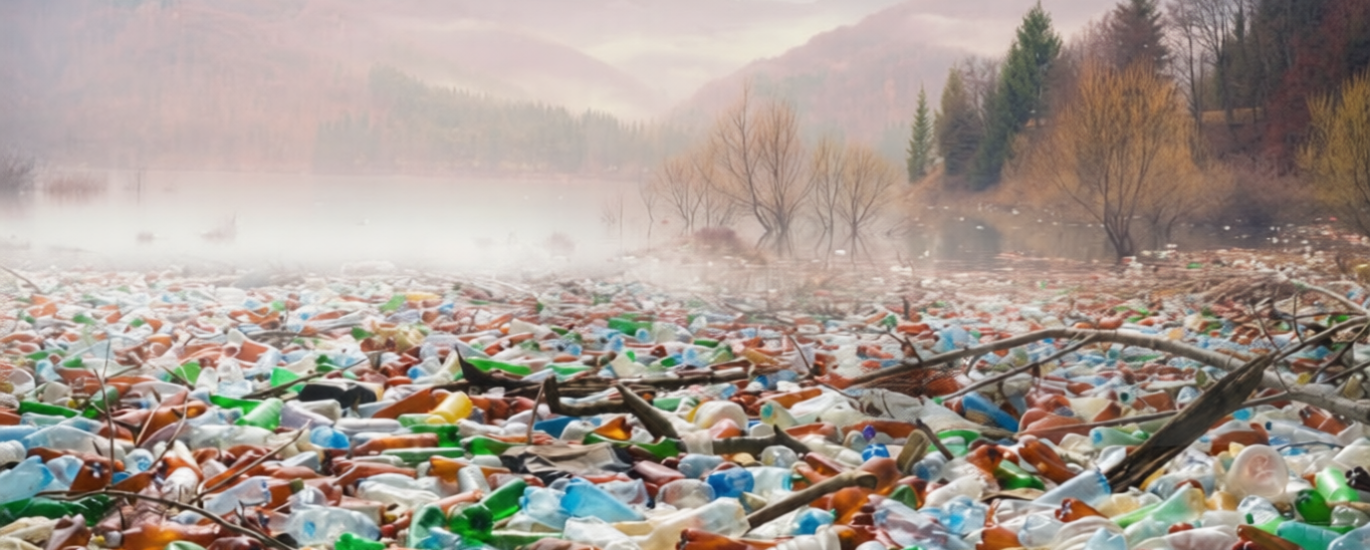
There is a part of the global waste system that operates in the shadows.
It is unregulated.
It is highly profitable.
And it is growing.
Yet, it is rarely discussed in mainstream sustainability conversations.
Waste crime.
At SustainabilityUnscripted, we do not just examine systems that are visible—we interrogate those that are deliberately hidden. And waste crime is one of the most dangerous hidden systems undermining global sustainability efforts today.
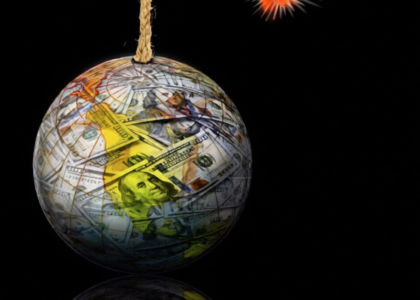
The Shadow Economy Behind Waste
Waste is no longer just an environmental issue.
It is an economic commodity.
And wherever there is value, there is opportunity—not just for innovation, but for exploitation.
Waste crime includes:
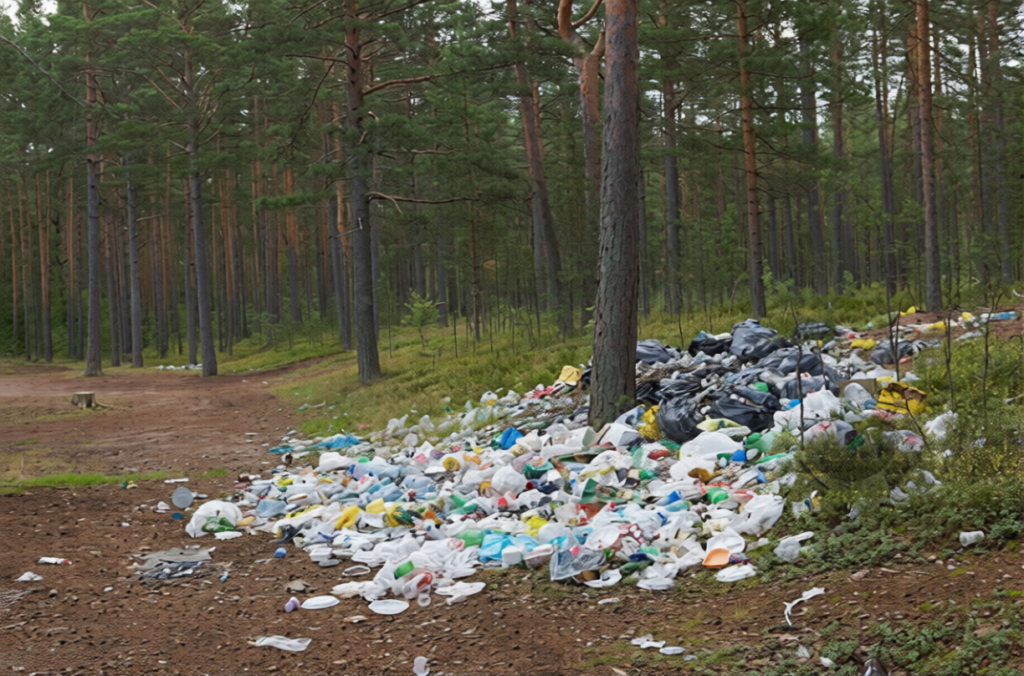
- Illegal dumping
- Unauthorized waste burning
- Falsified recycling claims
- Cross-border trafficking of waste
This is not small-scale activity.
It is a multi-billion-dollar global industry operating alongside legitimate waste management systems.
Why Waste Crime Exists
To understand waste crime, we must understand its drivers.
Legal waste management is:
- Expensive
- Highly regulated
- Operationally complex
Disposing of hazardous or large-scale waste properly requires infrastructure, compliance, and cost.
Illegal alternatives offer something simpler:
Lower cost. Faster disposal. Higher profit margins.
This creates a powerful incentive structure.
At SustainabilityUnscripted, we emphasize a critical point:
Waste crime is not just a legal failure—it is an economic design failure.
The Global Waste Trade Problem
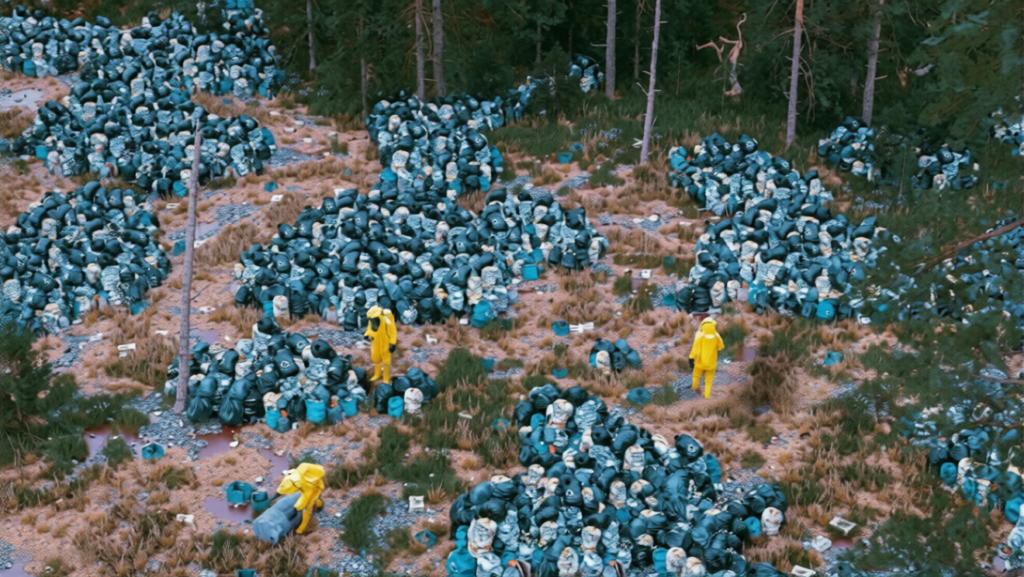
One of the most concerning aspects of waste crime is transboundary movement.
Waste generated in one region is often exported—legally or illegally—to another, typically:
- From developed to developing countries
- From regulated systems to weaker enforcement zones
This creates a global imbalance.
Communities with the least capacity to manage waste are often the ones forced to absorb it.
The consequences include:
- Environmental degradation
- Public health risks
- Long-term ecological damage
This is not just inefficient.
It is unjust.
Weak Enforcement, Strong Incentives
Regulation exists in many countries.
But enforcement remains inconsistent.
Why?
Because waste crime operates in complex networks:
- Informal operators
- Corrupt intermediaries
- Weak monitoring systems
- Limited data transparency
This makes detection difficult and prosecution even harder.
At the Global Sustainability Summit, we have repeatedly highlighted that policy without enforcement is not protection—it is perception.
The Environmental and Social Cost
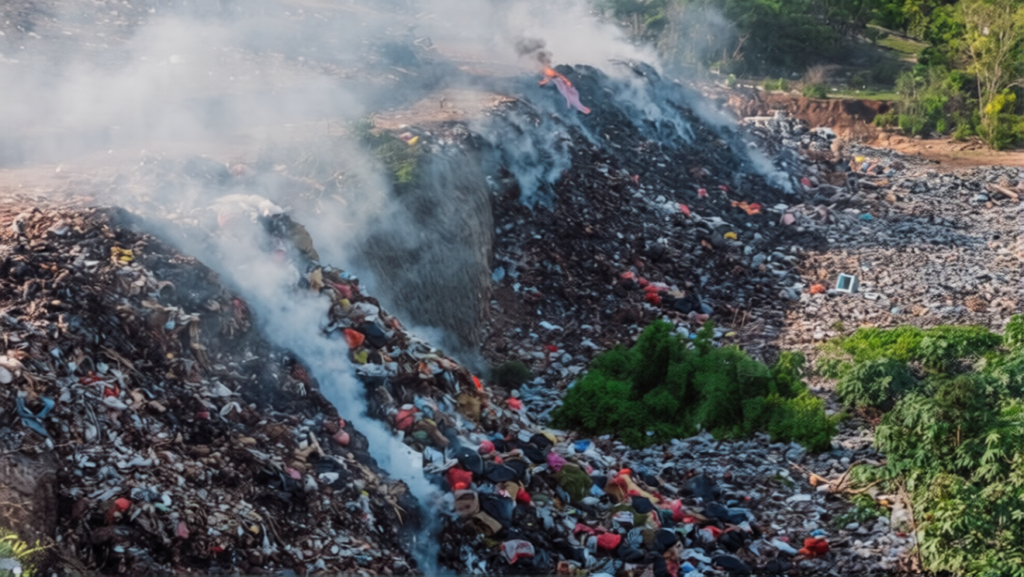
The impact of waste crime is not abstract.
It is immediate and visible:
- Polluted waterways
- Toxic soil contamination
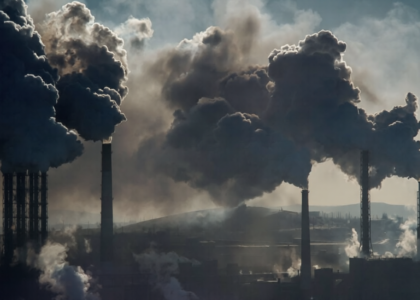
- Air pollution from illegal burning
- Increased disease burden in affected communities
These are not side effects.
They are direct outcomes of system failure.
And in many cases, the communities affected are those with the least economic and political power.
This is where sustainability intersects with environmental justice.
Where CleanCyclers Comes In
The fight against waste crime is not only about enforcement—it is about system redesign.
At CleanCyclers, the approach focuses on:
- Building transparent waste collection systems
- Creating traceable material flows
- Establishing economic value for properly managed waste
- Reducing leakages that enable illegal diversion
Because when waste systems are:
- Efficient
- Accountable
- Economically viable
The space for illegal activity shrinks.
Waste crime thrives in gaps.
Close the gaps—and you reduce the crime.
Data, Transparency, and Accountability
One of the biggest enablers of waste crime is lack of visibility.
If you cannot track waste, you cannot control it.
This is why the future of sustainable waste management must include:
- Digital tracking systems
- Real-time monitoring of waste flows
- Verified reporting frameworks
- Cross-border data collaboration
At SustainabilityUnscripted, we advocate for a shift toward data-driven waste governance.
Because transparency is not optional.
It is foundational.
From Linear Waste to Controlled Systems
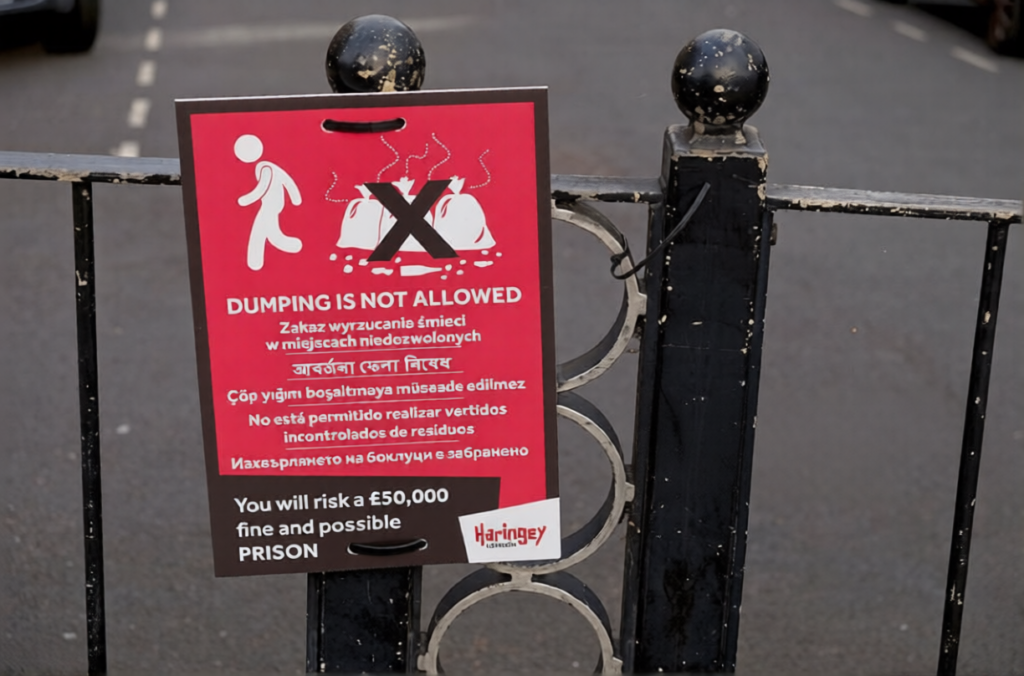
Waste crime is a symptom of a larger issue:
A fragmented, linear waste system.
When waste is treated as disposal rather than resource:
- Accountability weakens
- Value is lost
- Control is reduced
The solution lies in transitioning toward:
- Circular systems
- Integrated waste infrastructure
- Clearly defined ownership across the waste lifecycle
This is where CleanCyclers’ model aligns with the future—treating waste not as an endpoint, but as part of a structured value chain.
A Call for Systemic Action
Addressing waste crime requires more than awareness.
It requires:
- Stronger enforcement mechanisms
- International cooperation on waste trade
- Investment in waste infrastructure
- Private sector accountability
- Inclusion of informal sector actors within regulated systems
At the Global Sustainability Summit, one principle continues to guide our discussions:
Sustainability must be enforceable—not just aspirational.
Final Reflection

Waste crime exists because the system allows it.
It thrives in opacity.
It grows in inefficiency.
It profits from neglect.
The question is not whether waste crime is happening.
It is whether we are willing to design systems that make it impossible to sustain.
At SustainabilityUnscripted, we will continue to expose the realities that sit beneath the surface of sustainability narratives.
Through CleanCyclers, we will continue to build systems that close the gaps.
Through the Global Sustainability Summit, we will continue to push for accountability at scale.
And through voices like CanonOtto, we will continue to remind the world:
Sustainability is not just about what we manage.
It is about what we refuse to ignore.