By Amb. Canon Otto | SustainabilityUnscripted
There is a category of infrastructure we rarely discuss.
It does not trend.
It does not attract headlines.
It is not often featured in sustainability campaigns.
Yet, it is one of the most critical systems sustaining human life:
Water infrastructure.
At SustainabilityUnscripted, we often say that the greatest risks are not always the most visible—they are the most neglected.
And today, one of the most neglected sustainability threats is this:
The global water infrastructure system is aging, inadequate, and dangerously underprepared for the future.
The Invisible System We Depend On
Water systems operate quietly in the background:
- Pipelines beneath our cities
- Treatment plants on the outskirts
- Drainage networks beneath our streets
Because they are largely invisible, they are often overlooked—until they fail.
And when they fail, the consequences are immediate:
- Water scarcity
- Contamination
- Flooding
- Public health crises
This is not a future scenario.
In many parts of the world—including rapidly growing urban centers—this is already happening.
Urban Growth vs. Infrastructure Reality
Cities are expanding at an unprecedented rate.
Populations are increasing.
Demand is rising.
Climate pressures are intensifying.
But water infrastructure is not scaling at the same pace.
In many cases:
- Systems designed decades ago are still in use today
- Maintenance is reactive rather than preventive
- Expansion planning is either delayed or absent
The result is a widening gap between demand and capacity.
At SustainabilityUnscripted, we view this as a structural imbalance—one that will define the resilience of cities in the coming decades.
Water Stress Is No Longer a Distant Threat
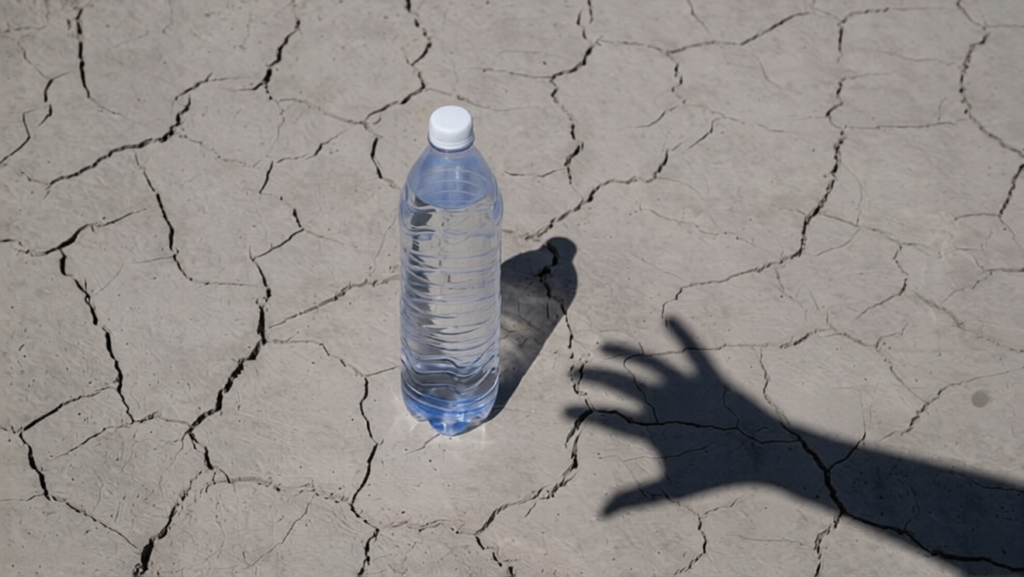
Water scarcity is often framed as a problem for arid regions.
This is no longer accurate.
Today, water stress is emerging in:
- Urban centers with growing populations
- Regions with inconsistent rainfall patterns
- Areas with poor storage and distribution systems
The issue is not always the absence of water.
It is the failure to manage, store, and distribute it effectively.
And that is an infrastructure problem.
Public Health: The Silent Consequence
When water systems fail, the impact goes beyond inconvenience.
It becomes a public health crisis.
Contaminated water leads to:
- Waterborne diseases
- Increased healthcare burden
- Reduced quality of life
Poor drainage systems contribute to:
- Flooding
- Stagnant water
- Disease outbreaks
This is where the conversation intersects directly with the work of CleanCyclers.
Because waste and water systems are deeply interconnected.
Blocked drainage, poor waste disposal, and inadequate sanitation amplify the pressure on water infrastructure—turning manageable issues into systemic crises.
At CleanCyclers, the focus on waste systems is not isolated. It is part of a broader vision of integrated urban resilience.
Infrastructure Neglect: A Policy Failure
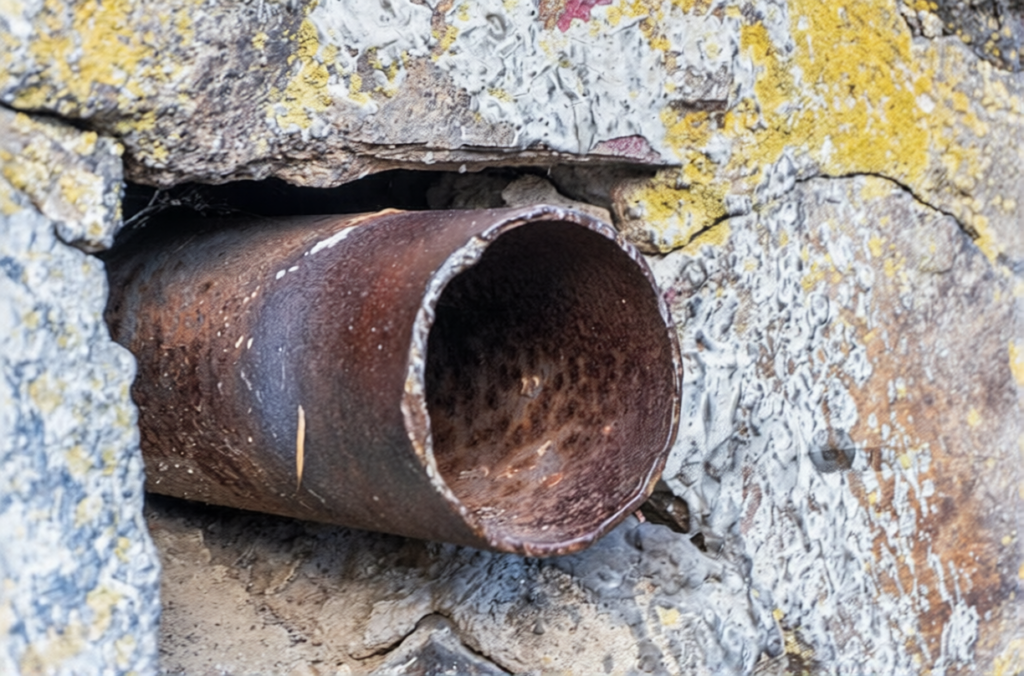
One of the most critical issues underlying the water crisis is neglect.
Water infrastructure often suffers from:
- Underinvestment
- Poor governance
- Lack of long-term planning
- Fragmented institutional responsibility
Unlike energy or transportation, water systems do not always receive the same level of strategic attention.
Yet, without water, no system functions.
At the Global Sustainability Summit, we have repeatedly emphasized:
Sustainability cannot exist without functional infrastructure.
And infrastructure cannot function without consistent investment and accountability.
Climate Change as a Stress Multiplier
Climate change is not creating the water infrastructure crisis—but it is accelerating it.
More intense rainfall leads to:
- Overwhelmed drainage systems
- Urban flooding
Prolonged droughts lead to:
- Depleted water sources
- Increased competition for limited supply
This dual pressure—too much water at once, and too little over time—exposes the fragility of existing systems.
At SustainabilityUnscripted, we view climate change as a stress test.
And many of our water systems are failing that test.
Rethinking Water as Core Infrastructure
If we are serious about sustainability, water must move from the margins to the center of planning.
This requires a shift in mindset:
From:
- Reactive repairs → Proactive design
- Isolated systems → Integrated systems
- Short-term fixes → Long-term resilience
Key priorities include:
- Modernizing aging infrastructure
- Investing in water recycling and reuse systems
- Integrating waste management with water management
- Leveraging data for predictive maintenance and planning
This is where innovation must meet execution.
The Role of Systems Builders

The future of water resilience will not be determined by policy statements alone.
It will be shaped by:
- Engineers
- Urban planners
- Environmental innovators
- Infrastructure investors
Through SustainabilityUnscripted, we are shaping the conversation.
Through CleanCyclers, we are demonstrating how integrated systems thinking can solve real-world problems.
Through the Global Sustainability Summit, we are convening those who can move from ideas to implementation.
Because sustainability is not theoretical.
It is built.
Final Reflection
We often focus on the visible aspects of sustainability—renewable energy, electric mobility, green buildings.
But beneath all of these lies a more fundamental system:
Water.
The question is not whether water infrastructure matters.
The question is whether we will act before its failure becomes irreversible.
At SustainabilityUnscripted, we will continue to highlight the systems that are too important to ignore.
Through CleanCyclers, through the Global Sustainability Summit, and through the leadership of CanonOtto, we remain committed to one principle:
A sustainable future is not possible without functional foundations.
And water is one of the most critical foundations we have.
Because when water systems fail—
Everything else follows.