By Amb. Canon Otto | SustainabilityUnscripted
There is an economy that exists in plain sight—yet remains largely unrecognized.
It operates daily.
It sustains cities.
It contributes significantly to global recycling systems.
And yet, it is rarely acknowledged in policy, strategy, or sustainability narratives.
The informal waste economy.
At SustainabilityUnscripted, we believe that some of the most critical systems in our world are not the most visible—but the most overlooked.
And few systems are more overlooked than the people who recover, sort, and reintroduce waste back into the economy.
The System Behind the System
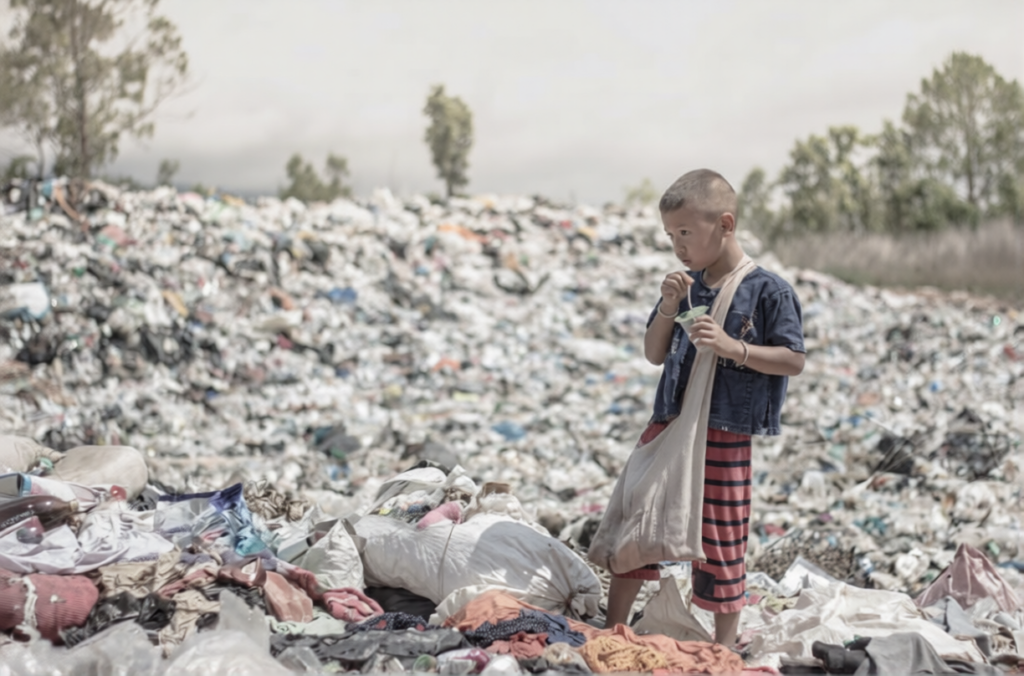
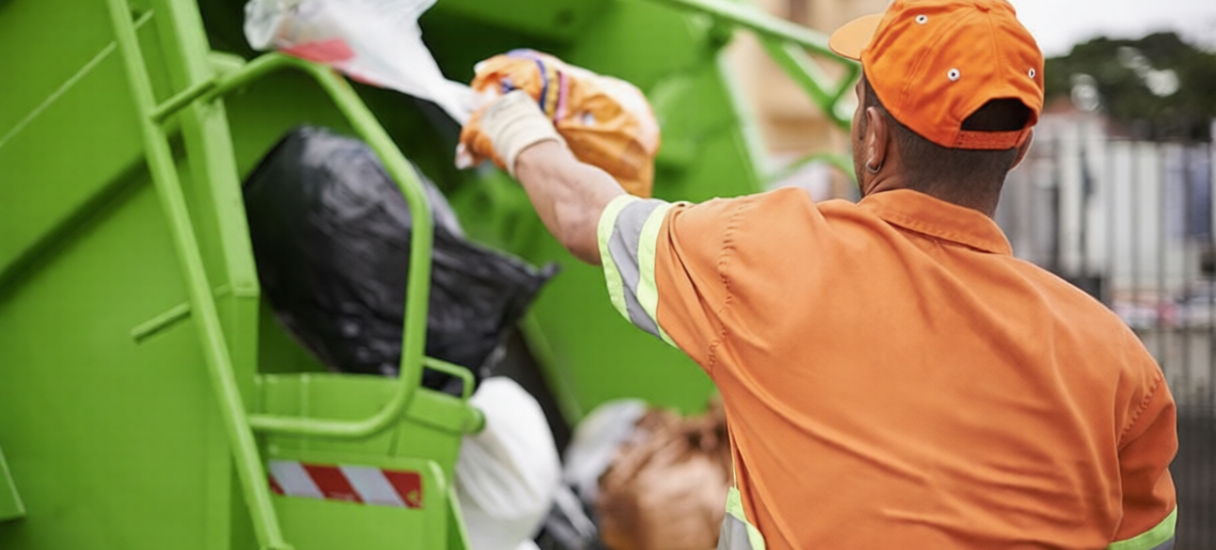
Before waste reaches recycling plants, before it is processed, before it is repurposed—it is handled.
Collected. Sorted. Separated.
Often manually.
Often informally.
Often without recognition.
Across cities in Africa, Asia, and Latin America, informal waste workers:
- Recover recyclable materials from streets and dumpsites
- Supply raw materials into recycling value chains
- Reduce the volume of waste entering landfills
Without them, recycling systems in many regions would struggle to function.
This is not supplementary work.
It is foundational.
The Economics of Waste
Waste is often framed as a problem.
But in reality, it is also an economy.
A multi-billion-dollar flow of materials moving through:
- Collection networks
- Sorting systems
- Processing facilities
- Manufacturing cycles
At the base of this value chain sits the informal sector.
They are the first point of recovery—and often the most efficient.
Why?
Because their survival depends on it.
They identify value where others see disposal.
They extract materials where systems fail.
They create economic activity where infrastructure is absent.
At SustainabilityUnscripted, we emphasize this reality:
Waste is not just an environmental issue—it is an economic system.
The Paradox of Contribution Without Recognition
Despite their critical role, informal waste workers operate within a paradox:
They contribute significantly to sustainability—yet remain:
- Undervalued
- Underpaid
- Unprotected
They face:
- Health risks
- Unstable income
- Social stigma
- Lack of policy inclusion
This is not just a systems failure.
It is an equity issue.
Because sustainability cannot claim progress while ignoring the people who make it possible.
Where CleanCyclers Enters the Conversation
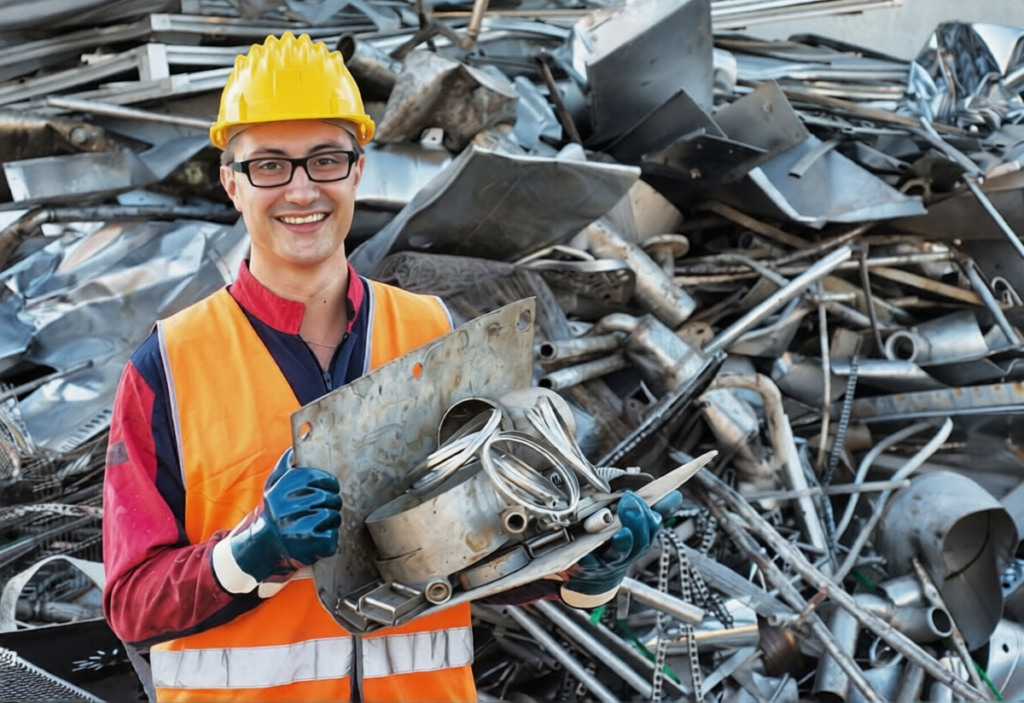
This is where the role of organizations like CleanCyclers becomes transformative.
At CleanCyclers, the approach is not simply to manage waste—but to restructure the system around it.
This includes:
- Recognizing informal workers as key stakeholders
- Integrating them into structured waste value chains
- Providing safer, more efficient systems for material recovery
- Elevating waste from informal activity to formal economic opportunity
Because the future of sustainability is not just about technology.
It is about people, systems, and inclusion.
From Informality to Integration
If we are serious about building a circular economy, then integration is non-negotiable.
This means:
- Formalizing roles without eliminating livelihoods
- Providing access to training and protective equipment
- Creating fair compensation structures
- Embedding informal networks into municipal waste systems
At the Global Sustainability Summit, this conversation is becoming increasingly urgent.
Because scaling recycling without including those who already sustain it is not progress—
It is displacement.
The Circular Economy’s Missing Link
We often speak about circularity in abstract terms:
- Reduce
- Reuse
- Recycle
But circular systems do not operate on principles alone.
They operate on people and processes.
And in many parts of the world, informal waste workers are the missing link between:
- Waste generation
- Resource recovery
- Material reintegration
Remove them—and the system weakens.
Support them—and the system strengthens.
At SustainabilityUnscripted, we are clear on this:
There is no circular economy without inclusive participation.
Rethinking Value

One of the most important shifts we must make is how we define value.
Today, value is often assigned to:
- Finished products
- Scaled industries
- Formal enterprises
But real value is also created in:
- Recovery
- Sorting
- Material identification
The work that happens before formal processing begins.
This is where the invisible economy operates.
And this is where it must be recognized.
A Call for Structural Inclusion
If sustainability is to move from narrative to reality, then inclusion must become structural—not symbolic.
This requires:
- Policy recognition of informal waste workers
- Investment in inclusive waste infrastructure
- Partnerships between private sector and informal networks
- Data-driven understanding of waste flows and labor contribution
At SustainabilityUnscripted, we challenge systems that exclude the very actors they depend on.
Because sustainability is not just about environmental outcomes.
It is about economic fairness and social recognition.
Final Reflection
The next time we speak about recycling, circular economy, or waste management, we must ask a more complete question:
Who is making this system work?
Behind every recovered plastic bottle, every sorted material, every diverted waste stream—there is a human story.
A worker.
A system.
An invisible contribution.
Through SustainabilityUnscripted, we will continue to bring these stories to the forefront.
Through CleanCyclers, we will continue to build systems that recognize and elevate them.
Through the Global Sustainability Summit, we will continue to push for a sustainability agenda that is not only efficient—but inclusive.
And through voices like CanonOtto, we will continue to remind the world of a simple truth:
Sustainability is not just about what we manage.
It is about who we value.