Why the Global South Is Already Living in the Adaptation Era While the Global North Is Still Debating Mitigation
By Amb. Canon Otto
Convener, Global Sustainability Summit
Contributor, SustainabilityUnscripted
For much of the world, climate change is still discussed as a future risk—a problem to be solved through targets, pledges, and long-term mitigation strategies. Emissions curves are modelled. Net-zero timelines are debated. Scenarios are projected decades ahead.
But for the Global South, climate change is not a forecast.
It is lived reality.
Across Africa, Asia, Latin America, and small island states, communities are no longer preparing for climate impacts—they are adapting to them in real time. Floods, heatwaves, droughts, coastal erosion, food insecurity, and infrastructure failure are already shaping daily life.
This is an uncomfortable truth the global sustainability conversation must confront: climate adaptation is no longer secondary to climate action—it is climate action.
Two Climate Realities, One Planet
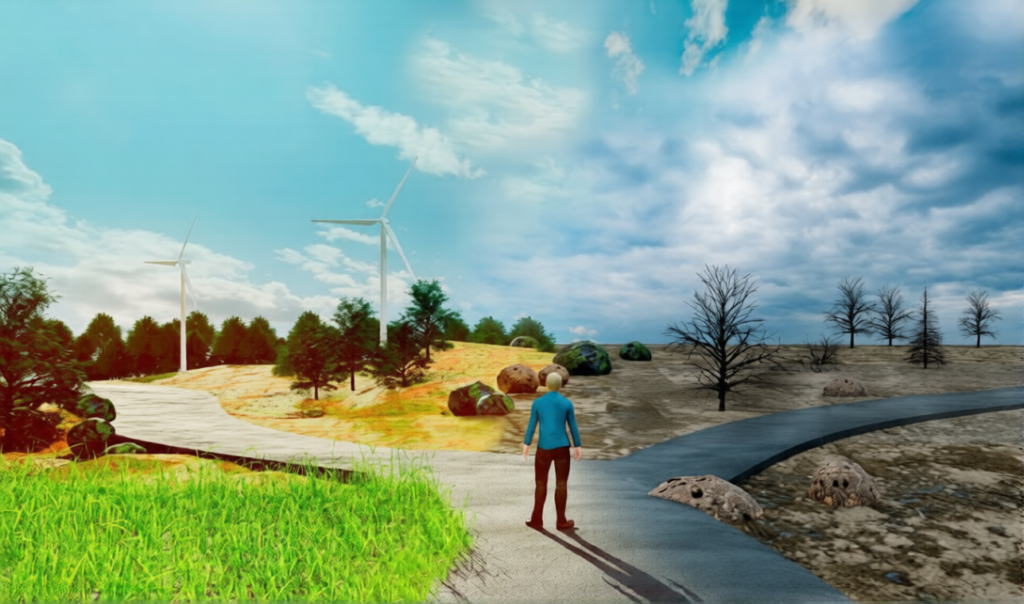
The climate discourse has been dominated for years by mitigation—reducing emissions, transitioning energy systems, and decarbonising economies. These goals are essential. But they reflect, in many ways, the priorities of regions that still have the luxury of time.
In much of the Global South, time has already run out.
Farmers are changing planting cycles because rainfall patterns have shifted. Coastal communities are retreating as seas advance. Informal settlements are rebuilding repeatedly after floods. Cities are redesigning drainage, housing, and waste systems under constant stress.
This is adaptation not as policy—but as survival.
Through the work of Canon Otto, and the on-the-ground realities observed via CleanCyclers, one lesson is clear: adaptation is not a future strategy; it is a present necessity.
Adaptation Is Not a Failure of Mitigation

There is a dangerous misconception that focusing on adaptation means giving up on mitigation. This framing is both false and harmful.
Adaptation is not an admission of defeat.
It is an acknowledgment of reality.
The climate system is already changing. Even if global emissions stopped tomorrow, many impacts are locked in for decades. For vulnerable regions, adaptation is the only way to protect lives, livelihoods, and social stability.
At the Global Sustainability Summit, we increasingly emphasise that mitigation without adaptation is incomplete climate action—especially in regions already bearing the brunt of warming they did not cause.
The Injustice at the Heart of the Crisis
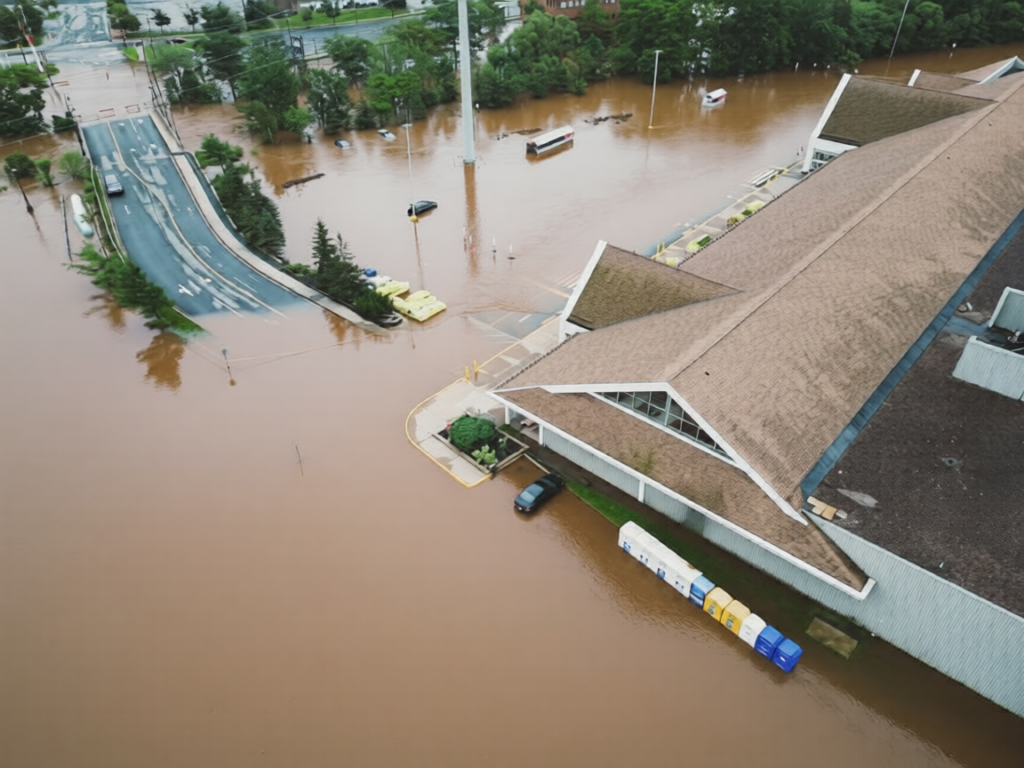
Perhaps the most uncomfortable truth is this: those least responsible for climate change are paying the highest price.
The Global South contributes a fraction of historical emissions, yet absorbs a disproportionate share of climate damage. Flooded homes, failed harvests, heat stress, and displacement are not abstract metrics—they are lived injustices.
Adaptation, therefore, is not only technical. It is moral and political.
Who pays for resilient infrastructure?
Who funds adaptation at scale?
Who decides which communities are protected—and which are left exposed?
These are questions of justice, not just climate science.
CleanCyclers and Adaptation Through Systems
At CleanCyclers, adaptation is embedded in system design. Waste management, circular infrastructure, and material recovery are not peripheral climate solutions—they are central to resilience.
Poorly managed waste worsens flooding.
Linear systems increase pollution and disease.
Fragile infrastructure collapses under climate stress.
But circular, well-designed systems reduce risk, create jobs, protect ecosystems, and strengthen communities.
This is adaptation in action—not as charity, but as intelligent design.
Creativity plays a vital role here. When creativity is applied to climate systems, waste becomes opportunity, risk becomes resilience, and vulnerability becomes capacity.
Why the Global North Must Catch Up
While communities in the Global South are already adapting, much of the Global North remains stuck in debate—arguing timelines, costs, and responsibilities.
This disconnect is dangerous.
Climate instability does not respect borders. Supply chains, migration, food systems, and financial markets are already feeling the ripple effects. Adaptation delayed in one region becomes crisis exported to another.
The lesson is simple: adaptation is not a regional issue—it is a global one.
From Targets to Transformation
The next phase of climate leadership must move beyond:
- Long-term targets → short-term protection
- Policy promises → practical resilience
- Emissions charts → human outcomes
Adaptation demands investment in:
- Resilient infrastructure
- Water and waste systems
- Climate-smart agriculture
- Urban redesign
- Community-led solutions
Through SustainabilityUnscripted, we continue to challenge the idea that adaptation is somehow less ambitious than mitigation. In truth, adaptation is where climate ambition meets human reality.
A Reframing of Climate Action
Climate adaptation is not the consolation prize of failed mitigation.
It is the frontline of climate action.
The Global South is not behind—it is ahead, navigating a future the rest of the world will soon be forced to confront. The question is whether global leadership will learn from this reality, fund it, and scale it—or continue debating while impacts accelerate.
At CleanCyclers, through SustainabilityUnscripted, and in my role as Convener of the Global Sustainability Summit, I remain convinced of this:
The future of climate action will be written not only in emissions reductions, but in how well we help societies adapt, endure, and thrive.
Adaptation is no longer optional.
It is the new climate action.