By Amb. Canon Otto | SustainabilityUnscripted
Modern life is optimized for convenience.
Click. Order. Deliver.
Within hours—or sometimes minutes—products move from warehouses to our doorsteps.
This efficiency is often celebrated as innovation.
And in many ways, it is.
But at SustainabilityUnscripted, we must examine the systems beneath convenience—not just the convenience itself.
Because hidden inside the rise of e-commerce and fast-moving consumer goods (FMCG) lies one of the most under-addressed sustainability challenges of our time:
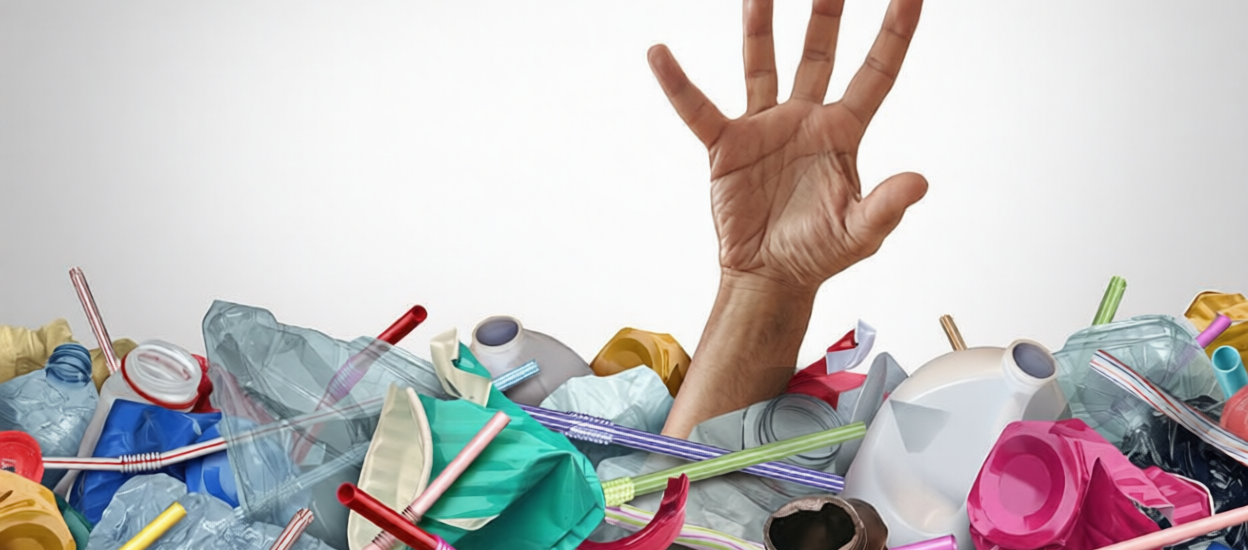
Packaging waste.
The Explosion of Packaging Consumption
The growth of e-commerce has transformed consumption behavior globally.
Consumers now expect:
- Faster delivery
- Safer transportation
- Better product protection
- Greater convenience
Meeting these expectations requires packaging.
Lots of it.
Products increasingly arrive wrapped in:
- Plastic mailers
- Bubble wrap
- Cardboard layers
- Tape
- Protective inserts
- Secondary and tertiary packaging materials
What was once a single product often becomes a multi-layer waste event.
The result?
An explosion in packaging consumption at a scale most systems were never designed to absorb.
The Single-Use Dependency Problem
Packaging is not inherently the problem.
Its design model is.
Most packaging today is optimized for:
- Short-term use
- Immediate disposal
- Low production cost
This creates a system dominated by single-use materials.
Used once. Discarded almost immediately.
This is one of the clearest examples of linear economic design:
- Produce
- Protect
- Deliver
- Dispose
At SustainabilityUnscripted, we are clear:
Convenience has been scaled faster than responsibility.
The Corporate Responsibility Gap
Much of the packaging burden is externalized.
Brands optimize for:
- Product safety
- Brand experience
- Logistics efficiency
But post-consumption responsibility is often transferred elsewhere:
- Municipal systems
- Consumers
- Informal waste networks
This creates a familiar sustainability pattern:
Private convenience, public consequence.
At the point of purchase, packaging performs its function.
At the point of disposal, the burden begins.
And in many markets, waste systems are not equipped to handle the volume or complexity.
The Recycling Limitation
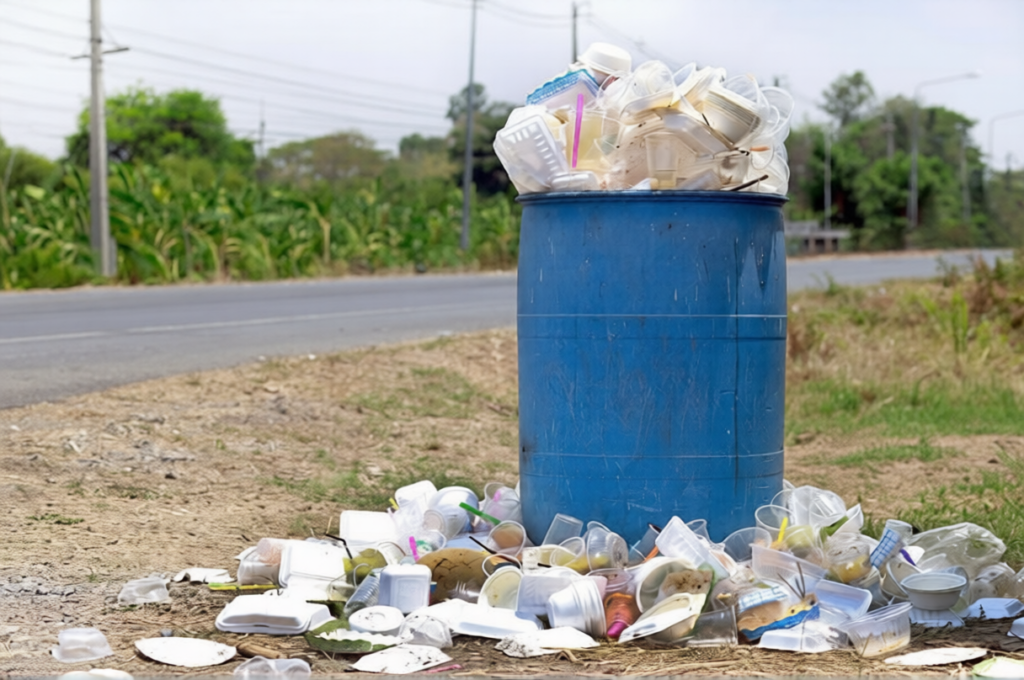
Packaging is frequently marketed as recyclable.
This creates reassurance.
But recyclability and recycling are not the same.
Many packaging materials are:
- Multi-layered
- Mixed-material composites
- Contaminated after use
- Economically difficult to recover
So while technically recyclable, many materials never enter effective recycling loops.
At SustainabilityUnscripted, this is a recurring systems issue:
We are designing packaging for disposal, then expecting recovery systems to compensate.
That is backwards.
Innovation Exists—But Scale Does Not
To be fair, packaging innovation is growing.
We are seeing:
- Compostable materials
- Refillable systems
- Reusable packaging models
- Lightweight alternatives
This is encouraging.
But innovation is not the same as adoption.
The core challenge is scale.
Why?
Because sustainable packaging often faces:
- Higher cost structures
- Supply chain limitations
- Consumer convenience trade-offs
- Lack of standardization
This creates a familiar bottleneck:
The solution exists—but the system is not aligned to scale it.
Where CleanCyclers Becomes Relevant
This is where organizations like CleanCyclers become strategically important.
Because packaging waste is not simply a disposal issue.
It is a materials flow issue.
At CleanCyclers, the opportunity lies in:
- Building packaging recovery systems
- Strengthening material sorting networks
- Improving recycling economics
- Supporting circular packaging pathways
Packaging should not be treated as waste by default.
It should be treated as a recoverable resource stream.
This is the shift from waste management to systems design.
The Circular Packaging Opportunity
The future of packaging cannot remain single-use by default.
It must move toward circularity.
This requires:
- Design for recyclability
- Material simplification
- Reuse infrastructure
- Extended Producer Responsibility (EPR)
- Incentives for return systems
At the Global Sustainability Summit, this conversation is increasingly urgent.
Because packaging is not a niche issue.
It sits at the intersection of:
- Consumer behavior
- Supply chains
- Waste systems
- Corporate accountability
The Real Cost of Convenience
Convenience feels frictionless.
But sustainability reminds us:
Every convenience has a systems cost.
Packaging is the physical footprint of our consumption habits.
And as consumption accelerates, so does that footprint.
The true cost is not just visible in overflowing bins.
It is visible in:
- Resource extraction
- Waste accumulation
- Infrastructure strain
- Environmental leakage
This is not a packaging issue alone.
It is a systems issue.
From Packaging to Platform Responsibility
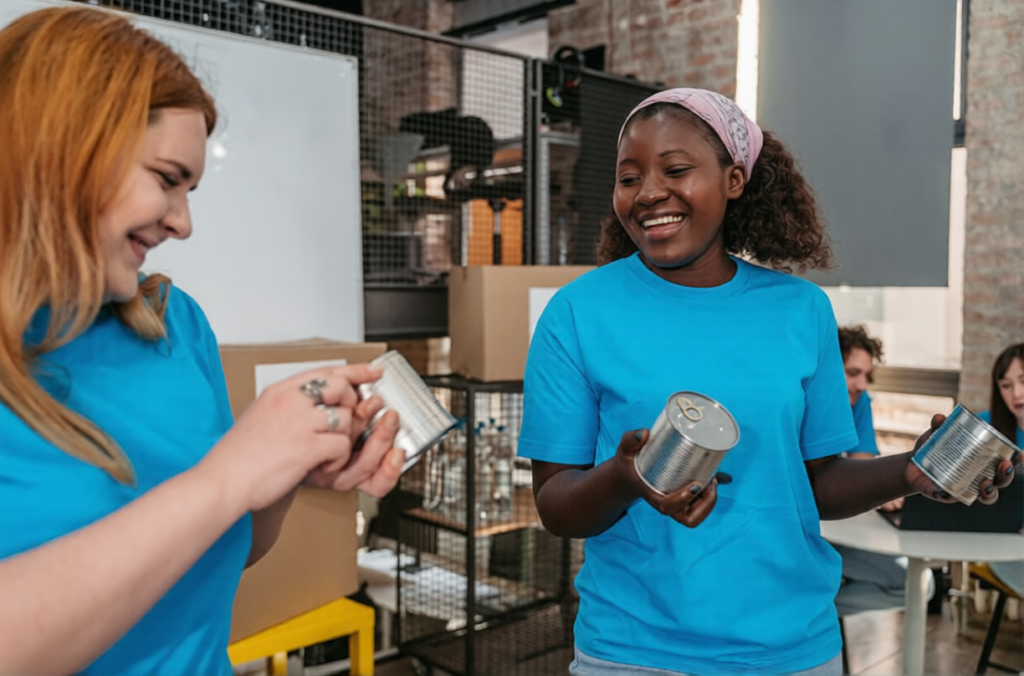
The future of sustainable commerce will depend on whether businesses evolve from shipping products to managing lifecycle responsibility.
This means asking harder questions:
- Why is so much packaging necessary?
- Can protection be redesigned?
- Can recovery be built into the business model?
At SustainabilityUnscripted, we believe the winners of the next economy will not be those who deliver the fastest.
They will be those who deliver most intelligently.
Final Reflection
Packaging is rarely discussed with the urgency it deserves.
It is too ordinary.
Too normalized.
Too embedded in daily life.
But often, the biggest sustainability problems are hidden inside ordinary systems.
The packaging crisis is one of them.
Through SustainabilityUnscripted, we will continue to expose the unseen costs of convenience.
Through CleanCyclers, we will continue to build systems that transform waste into structured opportunity.
Through the Global Sustainability Summit, we will continue to push the conversation beyond awareness and into implementation.
And through voices like CanonOtto, we remain committed to one principle:
Sustainability is not about making consumption feel cleaner.
It is about redesigning the systems that create waste in the first place.
Because the future is not built by packaging more.
It is built by wasting less.