By Amb. Canon Otto, Convener, Global Sustainability Summit
Across the globe, the green revolution is accelerating — driven by innovation, urgency, and a growing awareness that our planet cannot wait. Yet, amid the technologies, policies, and climate targets, one truth is often understated:
Women are not just participants in sustainability — they are its backbone.
From rural farms to urban recycling hubs, from climate advocacy spaces to clean energy enterprises, women are leading environmental change from the ground up. At SustainabilityUnscripted, and through the work of CleanCyclers, we consistently witness how empowering women is not a social add-on to sustainability — it is a strategic necessity.
Why Women Matter in the Sustainability Conversation
Globally, women are disproportionately affected by climate change — yet they are also among the most powerful agents of adaptation and resilience.
Women manage household energy, water, food systems, and waste in many societies. They are farmers, caregivers, educators, entrepreneurs, and community organizers. When women adopt sustainable practices, entire communities follow.
As I have emphasized repeatedly at the Global Sustainability Summit,
“You cannot build a sustainable world while excluding the people who sustain everyday life.”
This is the core of the green revolution — sustainability rooted in lived experience.
Women Leading Environmental Action at the Grassroots
1. Climate-Smart Agriculture & Food Security
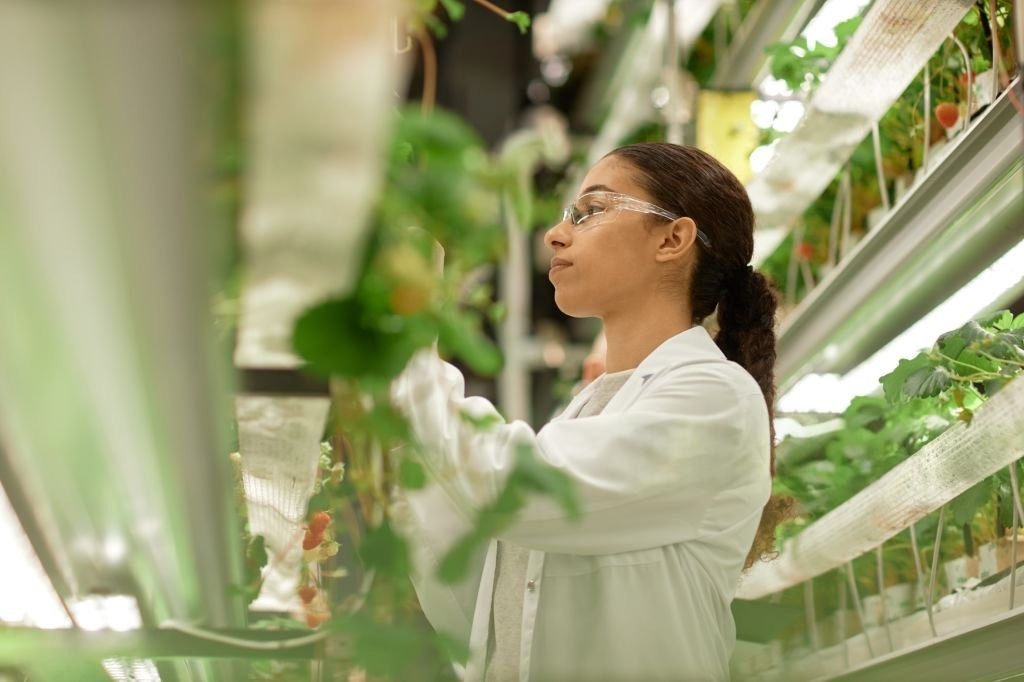
Across Africa, Asia, and Latin America, women farmers are pioneering climate-smart agriculture — adopting regenerative practices, diversifying crops, conserving water, and protecting soil health.
These women are not waiting for global agreements. They are responding directly to droughts, floods, and food insecurity with innovation born from necessity. Their work ensures families eat, communities survive, and ecosystems recover.
This is sustainability in its purest form — practical, resilient, and human.
2. Circular Economy Champions: The CleanCyclers Perspective
At CleanCyclers, we see firsthand how women are central to the circular economy. From waste collection and sorting to recycling, upcycling, and community education, women are driving the shift from “waste” to “resource.”
When women are trained and equipped in recycling and waste management:
- Communities become cleaner
- Public health improves
- Household incomes increase
- Environmental awareness spreads faster
This is why CleanCyclers places women at the center of its circular economy initiatives. Sustainability does not scale without inclusion — and inclusion does not succeed without women.

3. Women in Clean Energy & Green Innovation
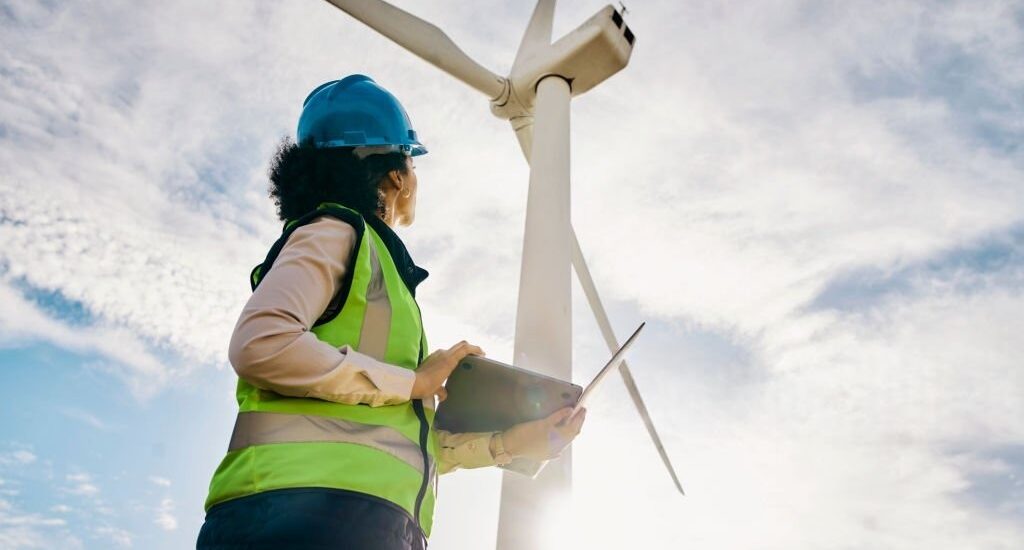
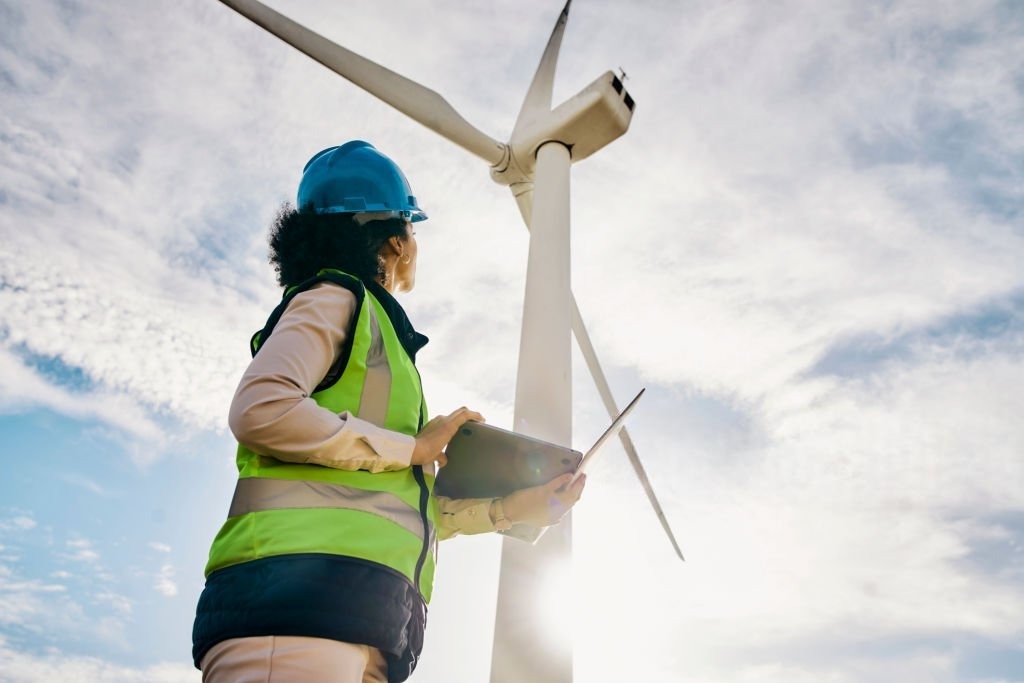
Women-led enterprises are increasingly shaping the clean energy landscape — from solar installation startups to clean cookstove distribution, battery innovation, and renewable education.
These women are solving real problems:
- Reducing indoor air pollution
- Expanding access to clean power
- Creating green jobs
- Lowering carbon emissions
Yet, despite their impact, women remain underrepresented in climate finance, technology leadership, and policy spaces. This gap is not just unfair — it is inefficient.
As Canonotto, I maintain that excluding women from green innovation slows global progress.
Education, Advocacy & Policy: Women Shaping the Narrative
Women are also redefining sustainability through education and advocacy — raising climate awareness, influencing policy, and mobilizing youth.
On platforms like SustainabilityUnscripted, these voices matter. They shift sustainability from abstract language into stories people understand, trust, and act upon.
At the Global Sustainability Summit, some of the most transformative conversations I have witnessed were led by women — challenging systems, proposing solutions, and holding institutions accountable.
The Canonotto View: Sustainability Without Women Is Unsustainable
Let us be clear:
A green transition that sidelines women will not succeed.
Sustainability requires empathy, systems thinking, long-term care, and community leadership — qualities women demonstrate daily under difficult conditions.
Empowering women with:
- Access to finance
- Education and training
- Technology and tools
- Leadership opportunities
is not charity. It is climate strategy.
This belief informs our work at CleanCyclers, shapes the editorial vision of SustainabilityUnscripted, and guides the agenda of the Global Sustainability Summit.
From the Ground Up: Building the Future Together
The future of sustainability will not be built only in laboratories, parliaments, or boardrooms. It will be built in farms, homes, markets, classrooms, and recycling centers — places where women already lead.
If we are serious about climate action, circular economies, clean energy, and environmental justice, then we must be serious about women’s empowerment.
The women of the green revolution are not waiting to be invited.
They are already working. Already leading. Already changing the world.
Our responsibility is to support them — boldly, intentionally, and urgently.