🌍 Rethinking the Future of Urban Living
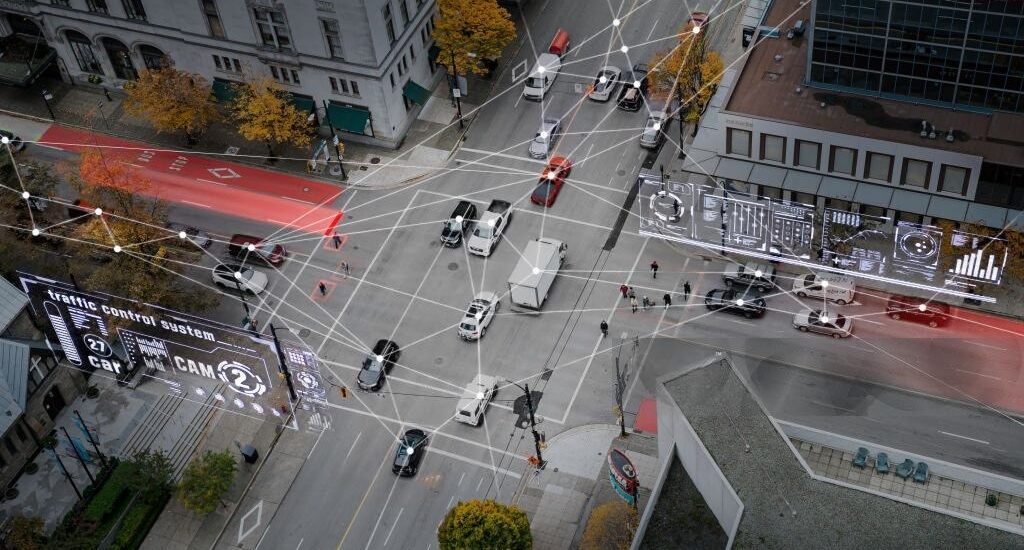
Across the globe, smart cities are rapidly emerging as the solution to urban challenges. From AI-powered traffic systems in Singapore to IoT-enabled waste management in Amsterdam, technology is reshaping the way we live, work, and interact with our environments.
But amid the excitement around high-tech solutions, a deeper question arises:
Should the future of our cities be defined by being “smart” — or by being “just”?
A smart city focuses on efficiency, innovation, and automation.
A just city focuses on equity, inclusion, and fairness.
The challenge? Building cities that are both.
🏙️ What Exactly Are “Smart Cities”?
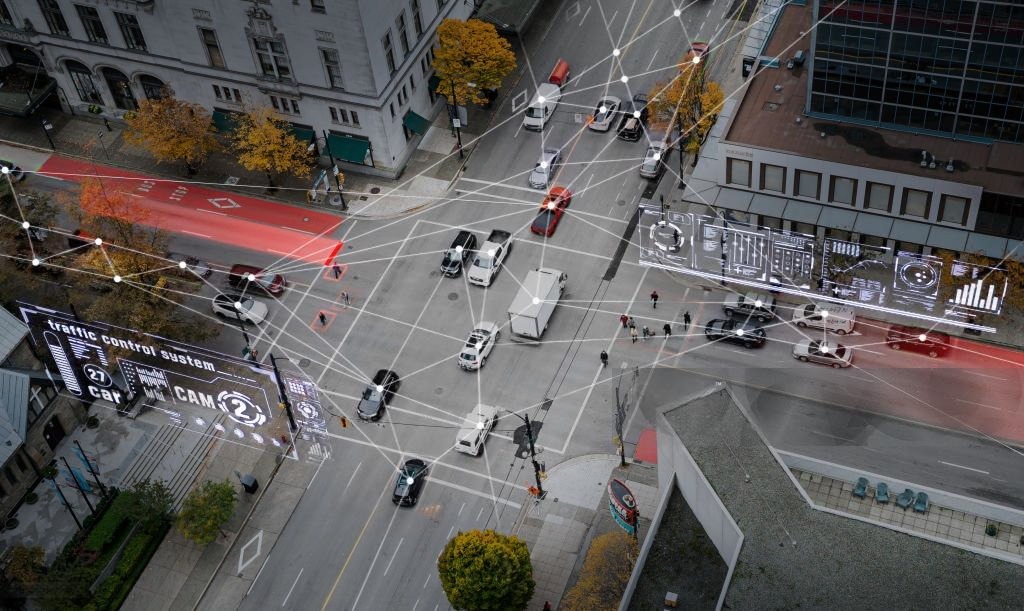
Smart cities leverage technology, data, and connectivity to improve urban life. They promise seamless mobility, energy efficiency, and optimized infrastructure. Examples include:
- Barcelona – Uses IoT sensors to monitor water use and reduce energy waste.
- Dubai – Aims to digitize all government services by 2030.
- Singapore – Smart traffic systems reduce congestion and air pollution.
These cities demonstrate what’s possible when innovation drives urban development.
✅ Advantages of Smart Cities:
- Faster and smarter service delivery
- Reduced energy consumption and emissions
- Efficient waste management and transport systems
- Enhanced urban safety and monitoring
But technology alone isn’t a silver bullet — and here’s why.
⚖️ The Case for “Just Cities”
A just city prioritizes people over technology. It focuses on creating inclusive, equitable, and sustainable urban spaces where no one is left behind.
A just city is built on:
- Equal access to housing, healthcare, and education
- Affordable energy and basic infrastructure for all
- Community participation in decision-making
- Environmental justice — ensuring clean air, water, and green spaces for everyone
Unlike smart cities, just cities don’t assume technology fixes inequality. They tackle root causes — poverty, discrimination, displacement, and energy injustice.
🌱 Why We Need Both
The global sustainability conversation is shifting from “smart cities” to “smart and just cities” — urban spaces where innovation works for everyone, not just the wealthy and connected.
For example:
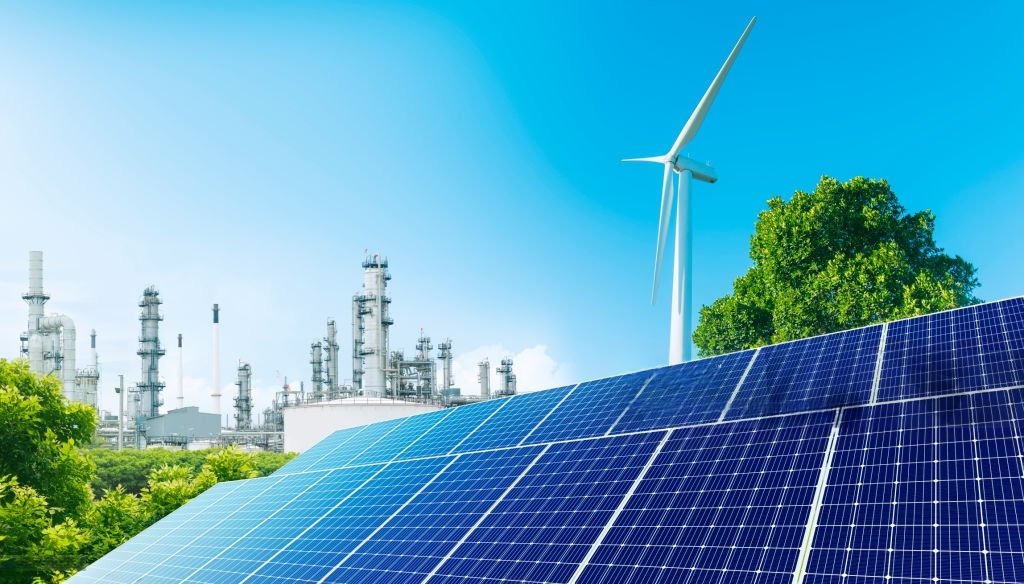
- A solar-powered microgrid in Nairobi is both smart (renewable energy) and just (affordable access for low-income families).
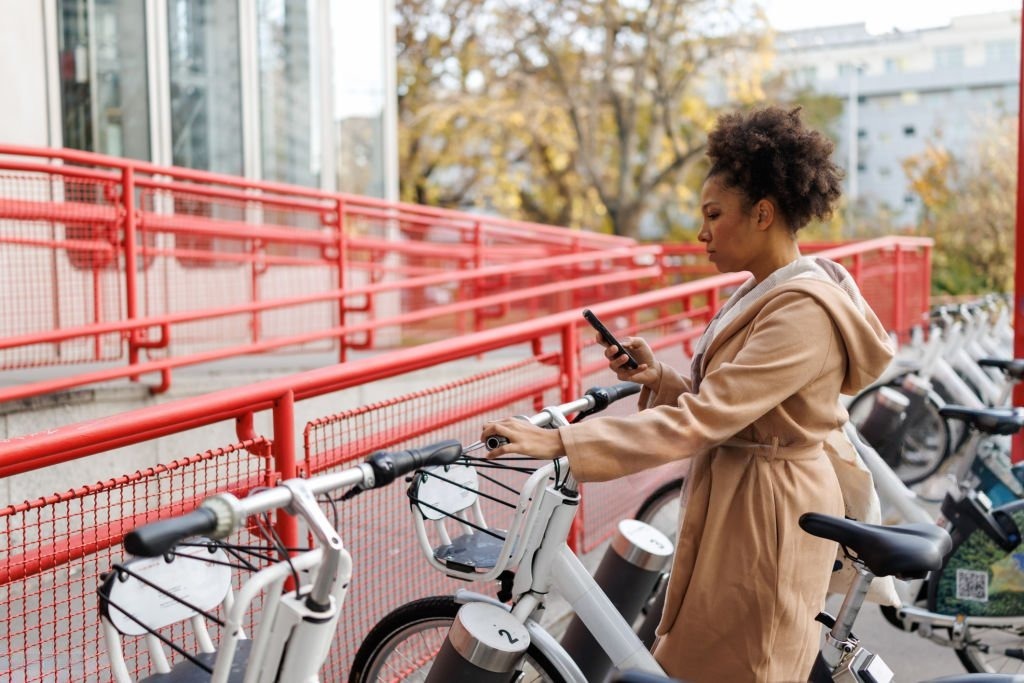
- Digital public transport systems in Bogotá are smart — but offering discounted fares for marginalized communities makes them just.
- Flood prediction AI tools in Jakarta are smart — but community relocation programs for at-risk neighborhoods make them just.
True sustainability requires aligning technology with equity.
🔑 Building Smart AND Just Cities
To create urban spaces that are innovative, inclusive, and sustainable, we need:
1. Equitable Technology Access
High-speed internet, clean energy, and digital services should be affordable and accessible to all.
2. Inclusive Urban Planning
Residents — especially marginalized groups — must have a voice in shaping policies and infrastructure decisions.
3. Sustainable Infrastructure
Smart cities must prioritize green energy, waste recycling, and climate-resilient designs to protect vulnerable populations.
4. Data With Dignity
Digital governance should protect privacy, prevent surveillance abuse, and ensure transparency in how citizen data is used.
🌐 The Future We Choose
Technology will continue to transform our cities, but a city cannot be truly “smart” if it isn’t just.
At SustainabilityUnscripted, we believe in building people-centered cities where innovation drives inclusion, and sustainability works for everyone, not just a privileged few.
The smartest city is the one that leaves no one behind.