By Amb. Canon Otto | SustainabilityUnscripted
The global waste crisis is forcing an uncomfortable reality into the spotlight:
We are producing more waste than our systems can effectively manage.
Landfills are expanding.
Plastic pollution is intensifying.
Urban waste systems are under pressure.
In response, one solution continues to gain attention:
Waste-to-Energy (WtE).
The proposition is compelling.
Instead of allowing waste to accumulate in landfills, why not convert it into usable energy?
At first glance, it appears efficient:
- Less waste
- Reduced landfill dependency
- Energy generation from existing waste streams
But at SustainabilityUnscripted, we believe sustainability solutions must be examined beyond their immediate appeal.
And so, the critical question becomes:
Is waste-to-energy a genuine sustainability solution—or an environmental compromise dressed as innovation?
The Appeal of Waste-to-Energy
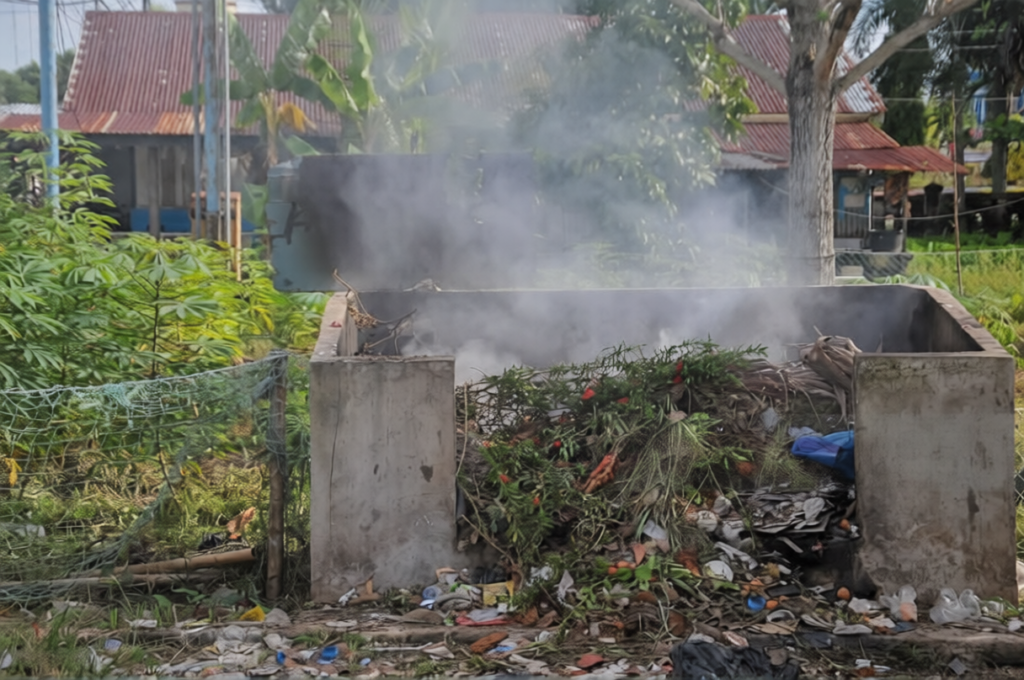
Waste-to-Energy systems are designed to convert waste materials into energy through processes such as:
- Incineration
- Gasification
- Pyrolysis
- Anaerobic digestion
The appeal is understandable.
Waste-to-energy offers several perceived advantages:
- Reduction in landfill volume
- Electricity and heat generation
- Improved urban waste management efficiency
For cities facing mounting waste pressures, this can appear highly attractive.
Particularly where landfill space is limited.
In many policy circles, WtE is increasingly positioned as part of the transition toward integrated waste systems.
But every solution carries trade-offs.
The Emissions Concern
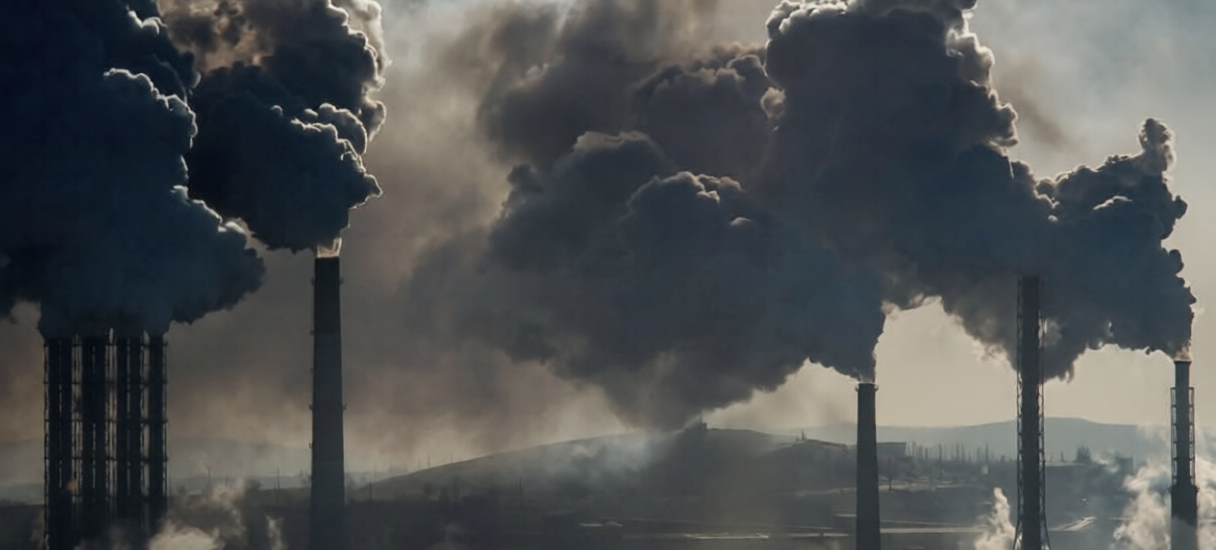
One of the primary criticisms of waste-to-energy is emissions.
Burning waste does not eliminate material.
It transforms it.
And in many cases, that transformation produces:
- Carbon dioxide
- Nitrogen oxides
- Particulate matter
- Potential toxic emissions depending on feedstock quality
This is where the debate intensifies.
Supporters argue:
- Modern filtration technologies reduce harmful emissions significantly
- WtE can outperform poorly managed landfills in climate terms
Critics argue:
- Incineration still emits carbon
- It may disincentivize reduction and recycling efforts
At SustainabilityUnscripted, this is the central tension:
Waste-to-energy can reduce one environmental burden while potentially creating another.
This is not a binary issue.
It is a systems design issue.
The Recycling Conflict
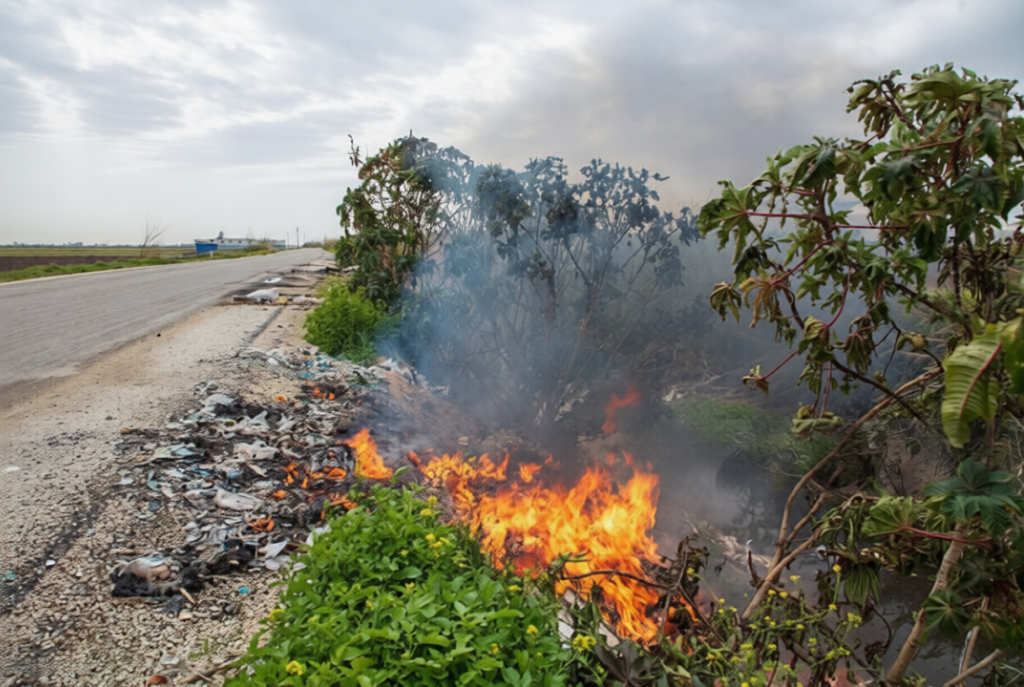
Another critical concern is material competition.
Waste-to-energy facilities require feedstock.
In simple terms:
They need waste to remain operational.
This creates a strategic contradiction.
Circular economy systems aim to:
- Reduce waste generation
- Improve recycling
- Maximize material recovery
But waste-to-energy facilities depend on a consistent waste supply.
This raises an important systems question:
Can a system truly incentivize waste reduction while simultaneously depending on waste volume for energy production?
At SustainabilityUnscripted, this is where policy alignment becomes essential.
Without careful design, WtE can unintentionally compete with recycling systems.
The Infrastructure Cost Barrier
Waste-to-energy infrastructure is capital intensive.
It requires:
- High upfront investment
- Technical expertise
- Continuous operational maintenance
- Emissions control systems
For many developing economies, this presents a significant challenge.
The cost is not simply building the facility.
It is sustaining operational integrity over time.
Poorly managed WtE systems risk:
- Technical inefficiency
- Elevated emissions
- Financial underperformance
This is particularly relevant in regions where waste infrastructure is already fragmented.
At SustainabilityUnscripted, we emphasize:
Technology without operational capacity is not innovation—it is risk.
Why Waste-to-Energy Matters for Developing Countries
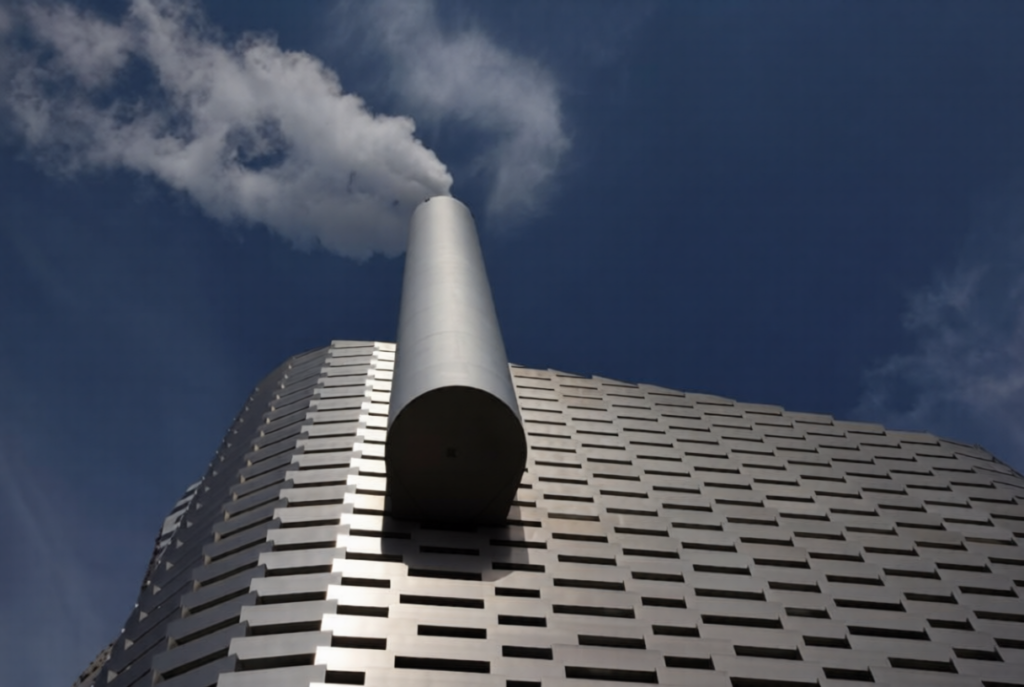
Despite concerns, waste-to-energy remains highly relevant for developing economies.
Why?
Because many cities face a dual challenge:
- Escalating waste volumes
- Energy access constraints
In these contexts, WtE presents a potentially attractive intersection:
- Waste management support
- Supplemental energy generation
But applicability depends heavily on context.
Critical variables include:
- Waste composition
- Infrastructure readiness
- Policy governance
- Financing mechanisms
A city with high organic waste content, weak segregation, and limited emissions control capacity may not be an ideal candidate for incineration-based models.
This is why one-size-fits-all sustainability solutions rarely succeed.
Where CleanCyclers Fits Into the Future
This is where organizations like CleanCyclers become strategically important.
Because before waste can become energy efficiently, waste systems must first become intelligent.
At CleanCyclers, the focus is on:
- Waste segregation systems
- Material recovery optimization
- Circular waste infrastructure
- Data-driven waste management models
Not all waste should be burned.
Some materials are more valuable as:
- Recyclables
- Reusables
- Secondary raw materials
This means waste-to-energy should not replace circular systems.
It should sit downstream—after material recovery has been optimized.
This is the systems hierarchy that matters.
Waste Hierarchy Still Matters
At SustainabilityUnscripted, we maintain a clear principle:
The waste hierarchy remains essential.
Priority should follow this order:
- Reduce
- Reuse
- Recycle
- Recover energy
- Dispose
Waste-to-energy belongs within recovery—not at the top of the system.
When used prematurely, it can distort incentives.
When used strategically, it can improve residual waste management.
This distinction is critical.
The Real Question Is Not Technology—But Governance

Waste-to-energy is not inherently good or bad.
Its sustainability depends on:
- Policy design
- Feedstock strategy
- Emissions controls
- Integration with recycling systems
Poor governance makes WtE problematic.
Strong governance makes it potentially useful.
This is why the conversation should move beyond ideology.
The real issue is systems design.
Final Reflection
Waste-to-energy represents one of sustainability’s most interesting contradictions.
It offers:
- Efficiency
- Waste reduction
- Energy generation
But it also introduces:
- Emissions concerns
- Capital intensity
- Circularity tensions
So is it progress or compromise?
The honest answer is:
It depends on how intelligently it is integrated.
Through SustainabilityUnscripted, we will continue challenging simplified sustainability narratives.
Through CleanCyclers, we will continue building waste systems rooted in circular intelligence.
Through the Global Sustainability Summit, we will continue convening leaders prepared to examine both opportunity and trade-off.
And through voices like CanonOtto, we remain committed to one principle:
Not every sustainability solution is clean by default.
Some are only as sustainable as the systems surrounding them.
Because the future is not built by adopting technologies blindly—
But by integrating them wisely.